Skip to content
Embárcate on a route that connects two of the world's most importanttinos most fascinating of eastern Bolivia.: Beni y Santa Cruz. Beni offers navigable rivers, tranquil lagoons and an exuberant biodiversity in places like Rurrenabaque and the Pampas del Yacuma. Its spirituality can be experienced in the Jesuit missions and in the Ichapekene Piesta of San Ignacio de Moxos, declared Intangible Cultural Heritage of Humanity by UNESCO. Santa Cruz surprises with the imposing Fort of Samaipata, the historical Jesuit missions of the Chiquitania and national parks such as the Amboró. The freshness and diversity of its tropical gastronomy complete the experience. Nature, living culture and historical legacy are intertwined in this unforgettable journey through eastern Bolivia.
Oscillates on 18° C y 32° C
● Warm-humid tropical
● Altitude between 155 a 4.638 a.s.l.m..
● Dry season: May to September, (high visitor season)
● Rainy season: December to March, (low visitor season)
For the tour you can choose to take a bus from the main terminals, private car rental or organized tours by travel agencies. If you decide to take public transportation, remember to check the schedules to better plan your experience.
San Javier
San Ignacio de Moxos
Rurrenabaque
Riberalta
Guayaramerín
For the tour you can choose to take a bus from the main terminals, private car rental or organized tours by travel agencies. If you decide to take public transportation, remember to check the schedules to better plan your experience.
The tour starts in Santa Cruz of the Sierra, capital of the department of Santa Cruz, by private vehicle you can take the National Route 9 or you can take a bus from the Bimodal Terminal to San Javier, department of Santa Cruz, Department of Santa Cruz. The tour offers captivating views of green plains and wildlife.
● La Plaza 24 de Septiembre and the Metropolitan Cathedral in the historic center, reflect its history and symbol of devotion that dominates the heart of the city..
●The Noel Kempff Mercado Museum of Natural History tells the story of the the evolution and biodiversity collections of flora and fauna, geology, among others.
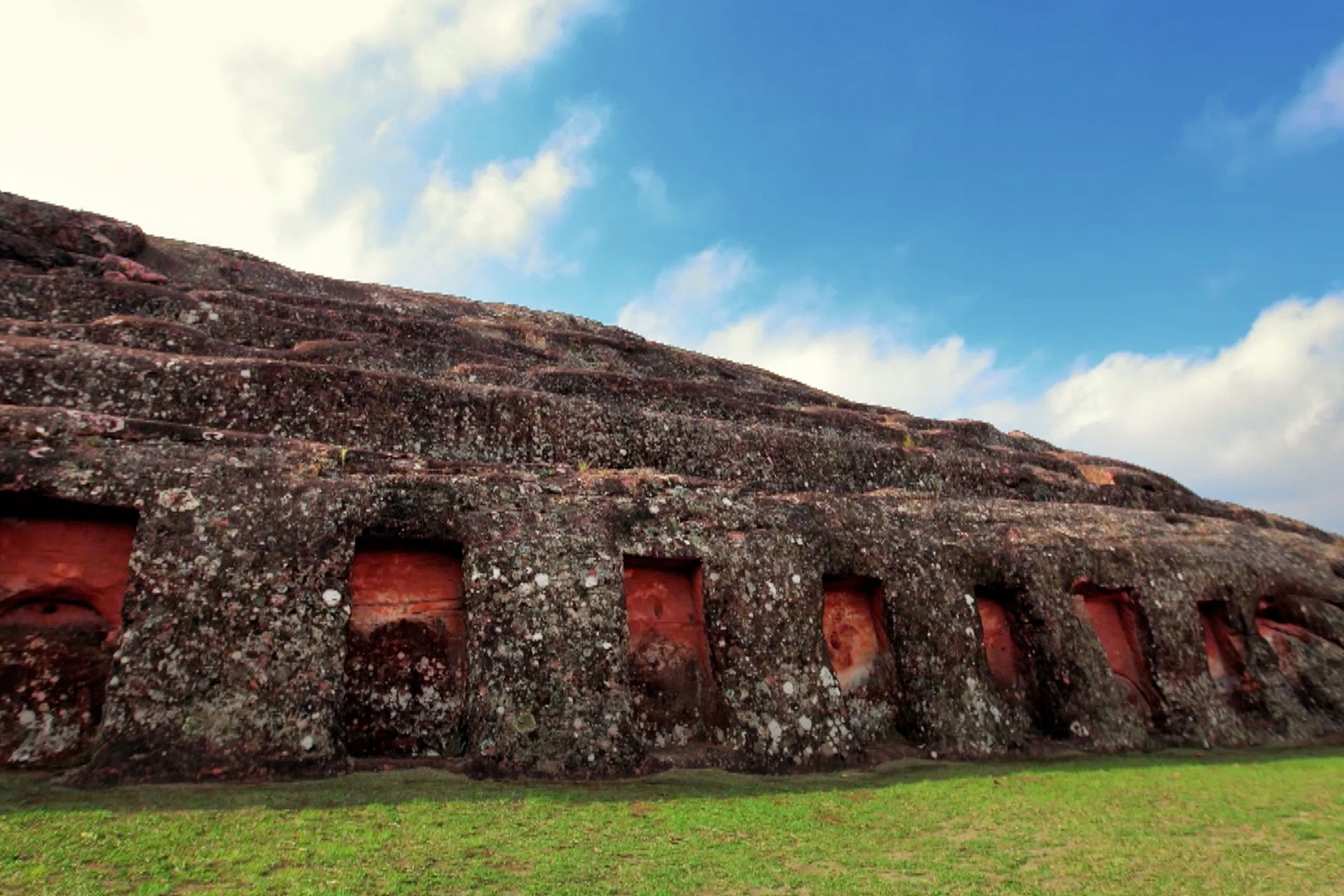
● EThe Fort of Samaipata, Cultural Patrimony of Humanity by UNESCO, is notable for its enormous carved rock, considered the largest in the world with unique ceremonial engravings of pre-Inca and Inca cultures.
● The National Park Amboró, with more than 600,000 hectares, merges the Andes, Amazon and Chaco turning it into an area privileged for its unique biodiversity and emblematic fauna such as the jaguar and the Andean bear.
● Lomas de Arena Regional Park, near the city of Santa Cruz, surprises with its dunes of up to 12 meters, lagoons and ecological trails.
● The 217-hectare Municipal Botanical Garden is home to more than 500 species of flora and fauna..
● The Santa Cruz de la Sierra Carnival, celebrated in February, invites you to enjoy colorful comparsas, music, parades, popular festivities and tradition of Santa Cruz.
● Ta Fiesta de la Santa Cruz on May 3, solemn processions, traditional music, popular fervor and cultural manifestations that reflect identity.
● Tcruceña gastronomy with dishes such as the majadito, The most popular dishes are: rice with meat and fried plantain; sonso, yucca dough with cheese; locro cruceño, a meat and vegetable stew; and keperí, a tasty pie stuffed with meat or chicken.
● The sao hat, a cultural symbol of Santa Cruz, is hand-woven with palm fiber by craftswomen who preserve sustainable techniques. It is resistant, elegant and is available at local fairs.
● Thestarting point of the Classic Circuit of La Chiquitania, a fascinating route through towns such as Concepción, San Ignacio de Velasco, San Rafael, San Miguel and San José de Chiquitos, where temples declared World Heritage Sites will surprise you with their unique architecture in carved wood, lively baroque music and traditions that have been preserved for more than three centuries.
The tour continues from San Javier, department of Santa Cruz, by private vehicle you can take National Route 9 until you reach the destination. You can also return to Santa Cruz de la Sierra for take a bus from the Bimodal Terminal in the direction of Trinidad, capital of the department of Beni. The tour offers captivating views of green plains and wildlife.
● Laguna Suarez is the perfect place to relax, enjoy water activities and bird watching.
● The Barba Azul Natural Reserve, explore unique trails in the Llanos de Moxos, see the Blue-Bearded Macaw and more than 350 birds, and live experiences of birdwatching, conservation and wildlife photography. Its access is with flight charter.
● La Chope Piesta, held in May, with traditional dances, popular games and parades that flood the city with cultural joy.
● Gastronomy real como the keperi beniano elaborated with marinated and slow-cooked meat. The masaco, made with crushed green plantain and charque or dried meat, has its origins in ancient food preservation techniques.
The tour continues from Trinidad, capital department of Beni, in a private vehicle you can take National Route 3 or you can take a bus from the Terminal “Gen. Edmundo Vaca Medrano”.” from Trinidad to San Ignacio de Moxos, Beni department. The route offers landscapes of surprising wetlands and savannas.
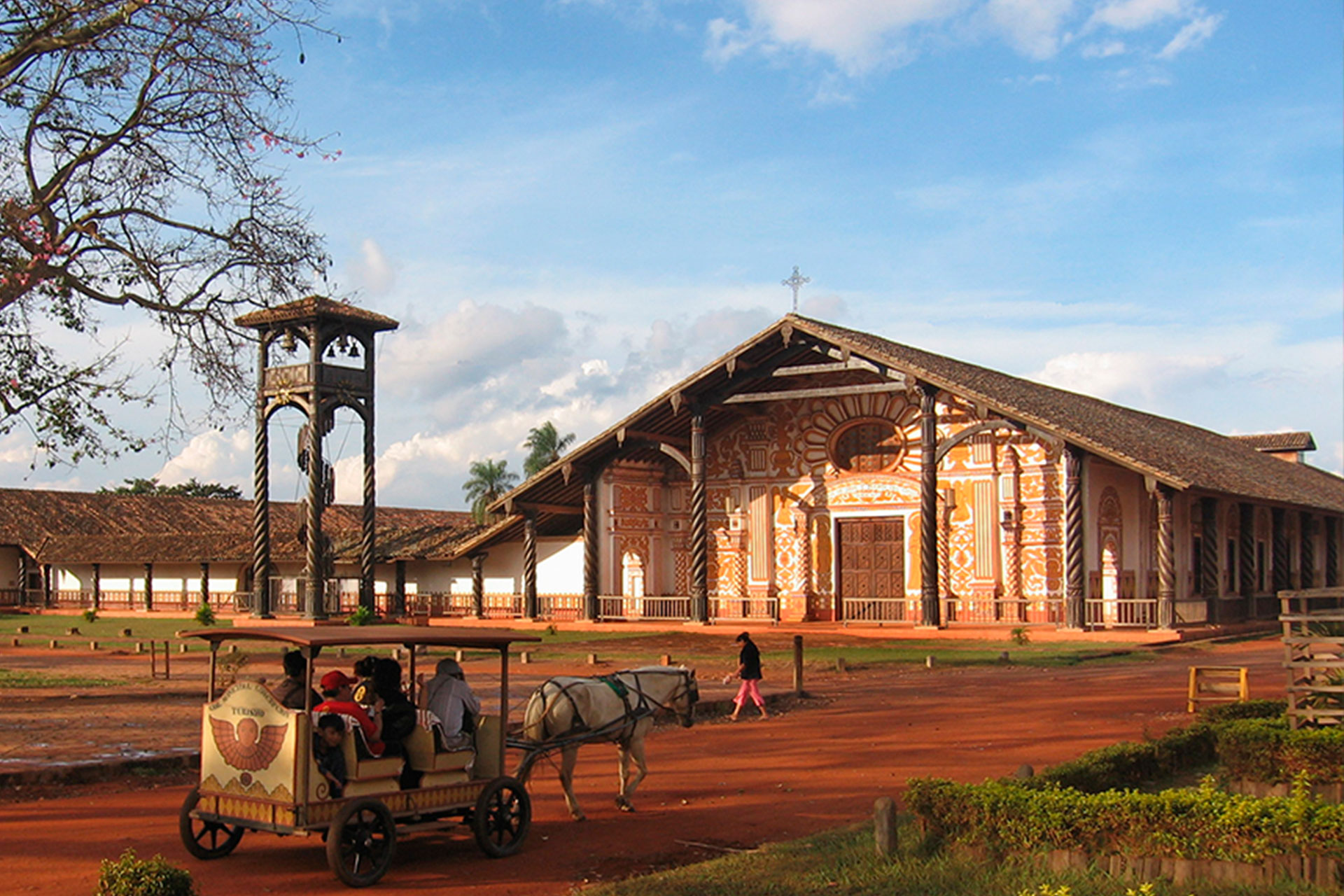
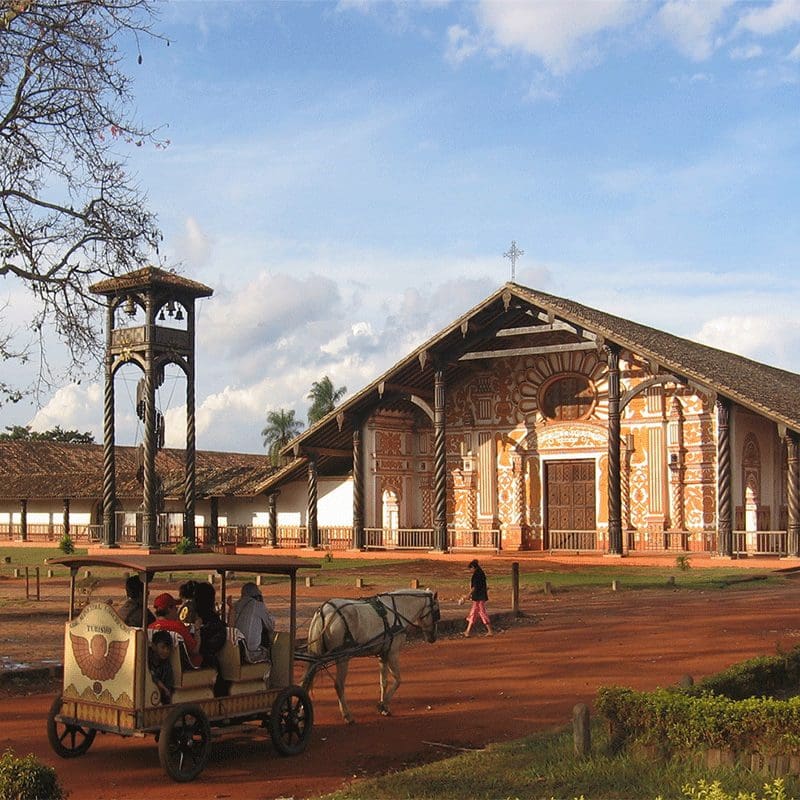
he Missionary Church of San Ignacio de Moxos was rebuilt in the 18th century,following the missional Baroque architecture, Its facade stands out with symbolic details and traditional colors of the Jesuit legacy.
● Ta Ichapekene Piesta, is held between July and August, is a World Cultural Heritage Site and offers dances, music and rituals that unite Jesuit and indigenous heritage.
The tour continues from San Ignacio de Moxos, department of Beni, by private vehicle you can take National Route 3 and connect with National Route 8 to the destination. You can also take a bus from the Terminal Interprovincial of San Ignacio de Moxos to Rurrenabaque, department of Beni.
● El Madidi National Park, one of the most biodiverse rainforests on the planet, it allows guided walks, boat rides on the rio Tuichi, observation of birds y community-based tourism in the Ecoalbergye Chalalan.
● The Pampas del Yacuma that invite browser by rivers, exploresr jungle trails, observediverse flora and fauna, and enjoyr unforgettable sunsets.
● Feast of Our Lady of the Virgin of the Candelaria, in February, celebrates with processions, folkloric entrance, gastronomic festival, etc., and a variety of activities.
The tour continues from Rurrenabaque, by private vehicle you can take the National Route 8 or you can take a bus from the New Bus Terminal Rurrenabaque to Riberalta, department, departmentamento de Beni. The route dazzles with lush jungle scenery.
● The Lake Tumicucha, a wonderful attraction that allows youcanoe rides, wildlife watching, canoeing, and y hiking.
● Abird watching in the Municipal Reserve Aquicuana, more than 300 species, including toucans and parrots, on guided walks along trails between lagoons, primary forests and natural viewpoints.
The tour continues from Riberalta, department of Beni, by private vehicle, you can take National Route 8 or you can take a bus from the Terminal de Buses Riberalta to Guayaramerín, Department of Beni. The route offers jungle landscapes green and full of life.
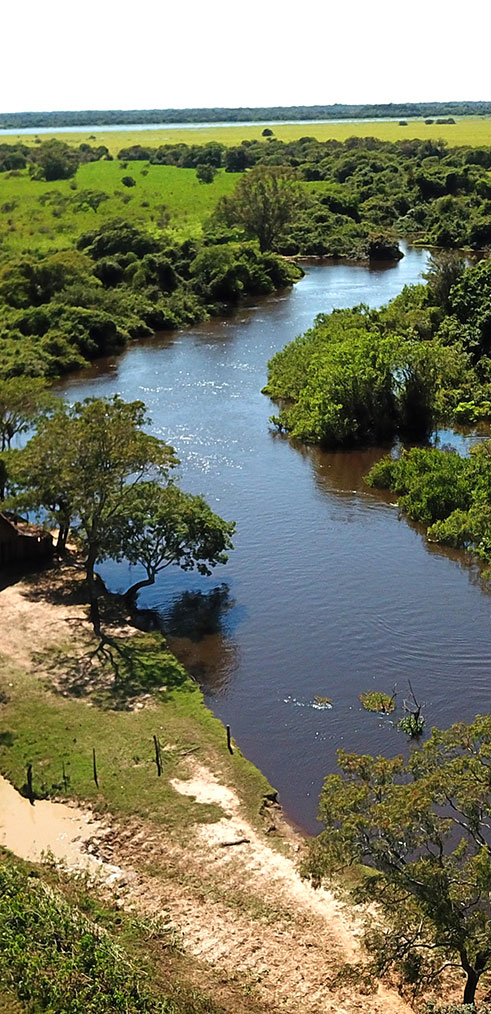
● The river Mamoré invites tours at boat to the sunset and to discover your biodiversity riparian.
● The exchange cross-border with Brazil favors the integration economic and the regional tourism from this beautiful city.
Marvel at the churches of San Juan de Moxos and San Joaquín de Moxos in Beni and the baroque jewels of San Ignacio, Concepción and Santa Ana de Velasco in Santa Cruz, testimony of the Jesuit legacy.
In Santa Cruz, admire the largest rock carving in the world, with unique pre-Inca and Inca engravings.
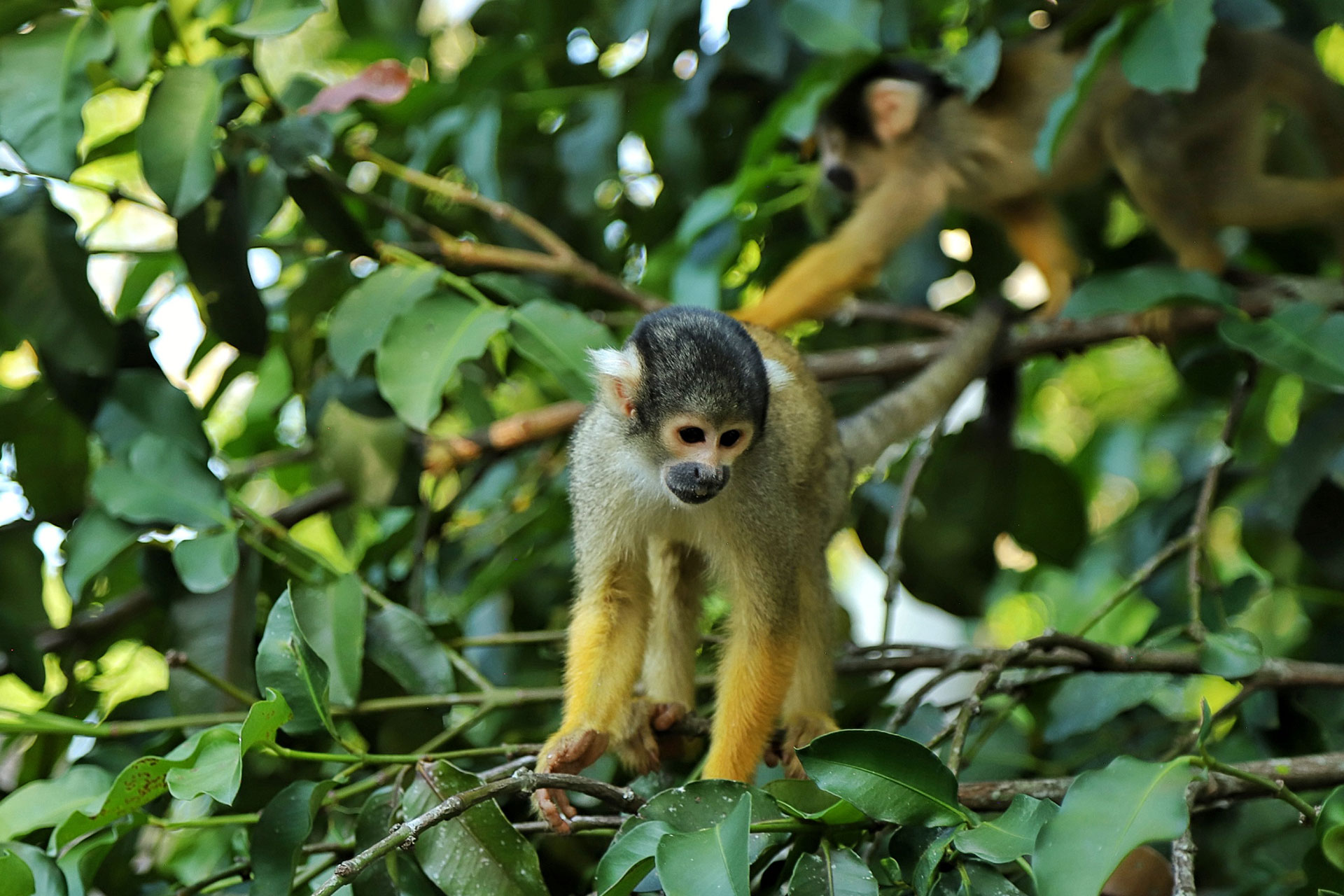
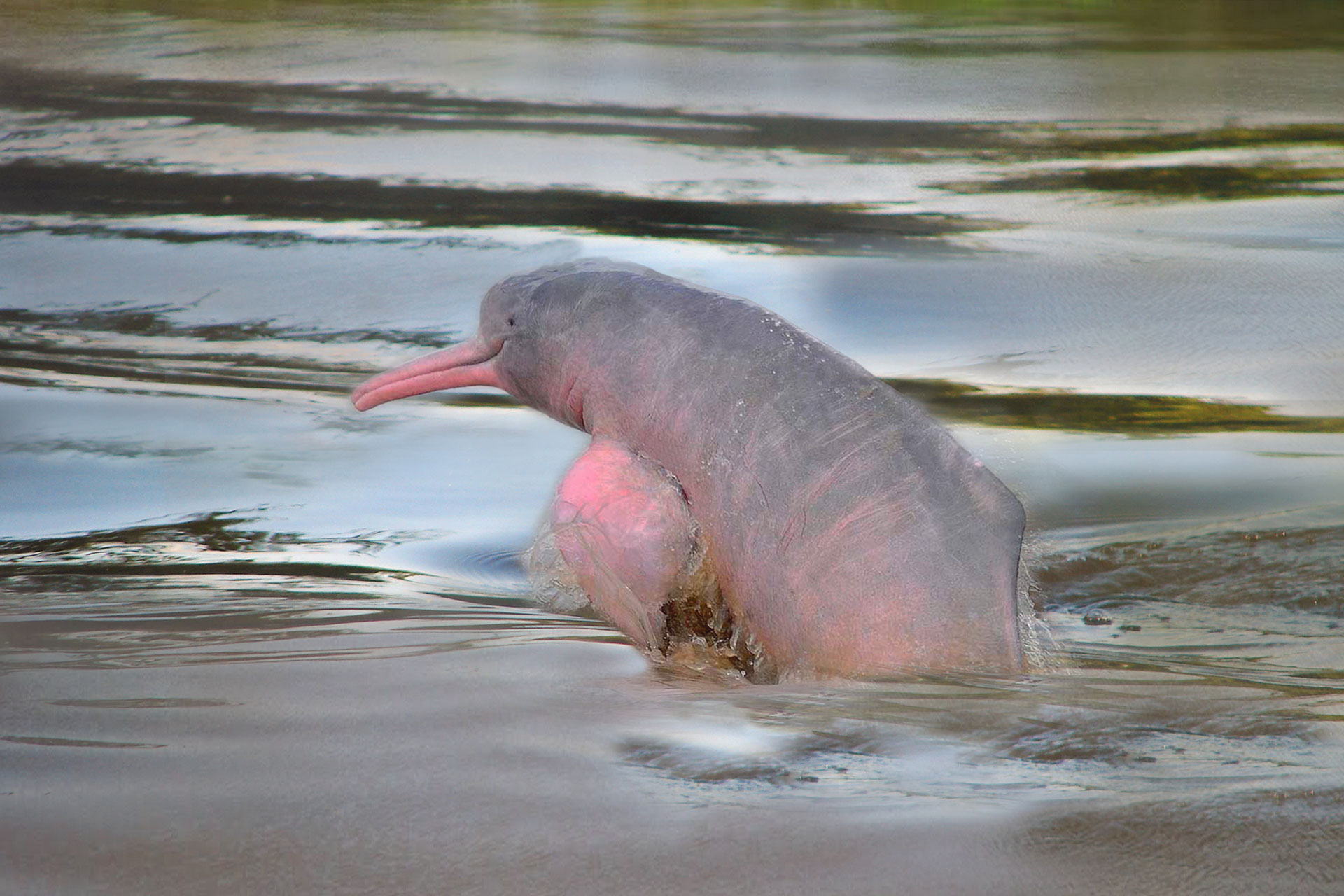
In Beni, navega by your Amazonian rivers, hike jungle trails, observe jaguars, monkeys and more than 1,000 species of birds.