LCP Hero

Discover the

Southern Natural Road

A diverse, authentic and profound experience

Explore the Southern Natural Road, a journey through the departments of Arequipa, Puno and Tacna that unites volcanoes, sacred lakes, hot springs and living traditions. In Arequipa, walk through its historic center built of volcanic stone called sillar, admire the Colca Canyon and taste its powerful gastronomy. In Puno, sail the Titicaca Lake, discover prehispanic civilizations prehispanicins and celebrate ancestral festivities with Andean communities. In Tacna, relax in geysers and high Andean lagoons, visit unique archaeological sites and taste products with denomination of origin. From dances and temples to breathtaking natural landscapes, this trail offers a diverse, authentic and profound experience of southern Peru.

Temperature

Ranges from 0°C to 26°C

Weather

Cold- dry (zona Sierra) and tempside (Coastal zone)

Altitude between 500 to 6.075 m.s.n.m..

Dry season: dMay to October, high visitor season.

Rainy season: dNovember to April, intermediate and low visitor season.

How to get there?

Find the best route to start your experience

By Air
Access this route through any of its three airports, the Alfredo Rodríguez Ballón International Airport in the city of Arequipa, the Inca Manco Cápac International Airport in the city of Juliaca and the Coronel FAP Carlos Ciriani Santa Rosa International Airport in the city of Tacna. These air terminals have regular flights from Lima, guaranteeing a direct connection with this route. Once you land, continue your journey by land, exploring the landscapes and attractions of the Camino Natural del Sur.
Overland
This road has land connectivity through the National Route PE-1S or also known as the Pan-American Highway South and the National Route PE-36/PE-36A/ PE-36B, which run through southern Peru connecting Arequipa, Puno and Tacna, linking their main tourist destinations.

Terrestrial Tour

For the tour you can choose to take a bus from the main terminals, rent a private car, or take a bus from the main terminals or organized tours by travel agencies.

Terrestrial Tour

For the tour you can choose to take a bus from the main terminals, rent a private car, or take a bus from the main terminals or organized tours by travel agencies.  

The tour begins in the city of Arequipa, capital of the department of Arequipa, by private vehicle you can take the Cross axis PE-34. You can also take a bus from the Terminal Terrestre de Arequipa to the city of Puno, department of Puno. Remember to check the schedules to better plan your experience. The route offers wonderful landscapes between fertile valleys and desert.

At Arequipa dare to discover:

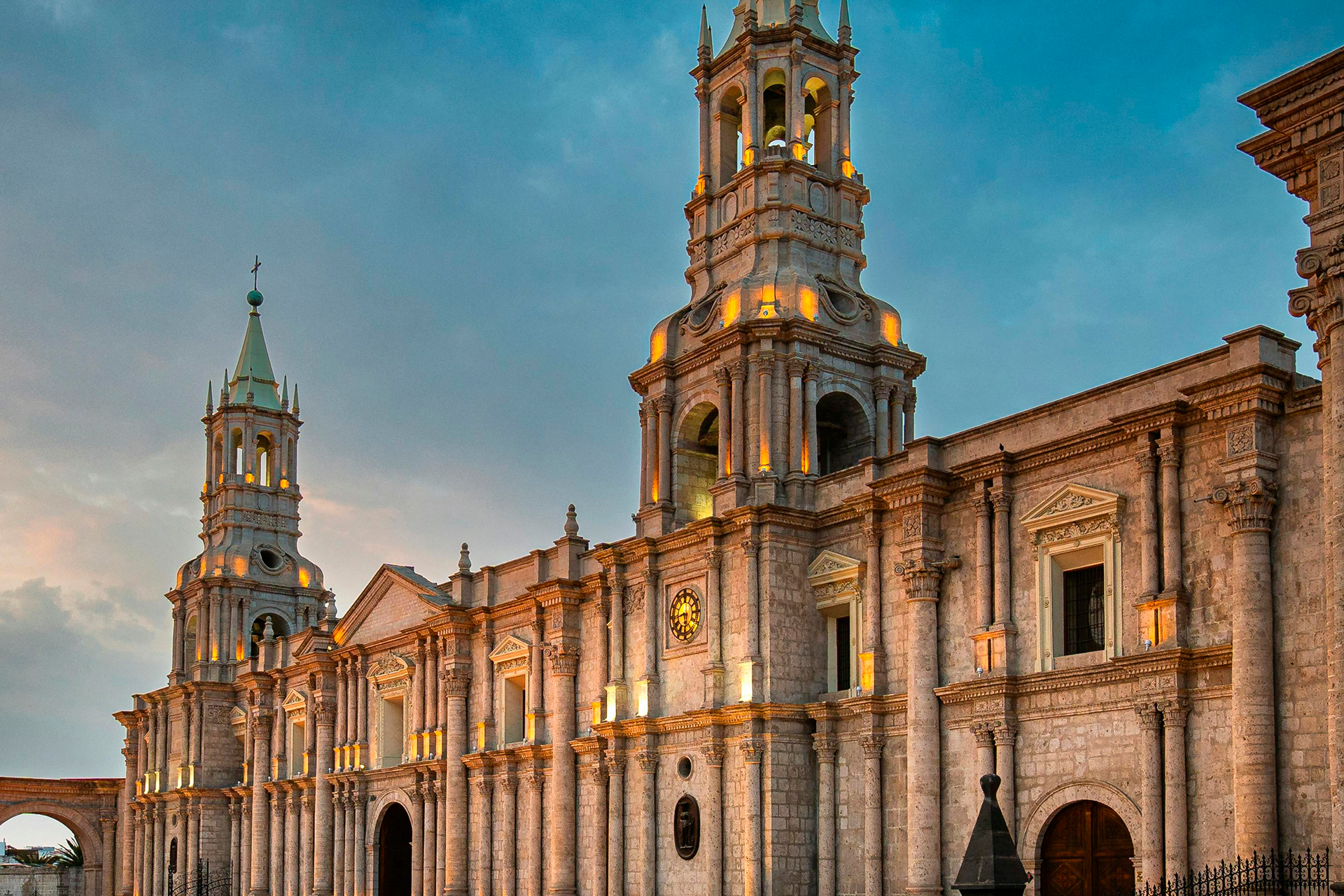
    ● Historic center with colonial heritage, a UNESCO World Heritage Site, built with Sillar stone. Tour the imposing Cathedral, Santa Catalina Monastery, a 16th century citadel, Andean Shrines Museum, home of the Juanita mummy. 

    ● Sillar Route, volcanic stone used for construction and art.

    Sighting of condors, an emblematic Andean bird, at the Cruz del Condor viewpoint in the Colca Canyon.

    ● More than 8,000 pre-Inca terraces in the Colca Valley.

    ● Hot springs in Yanque, Coporaque and Chivay in the Colca Valley, surrounded by open-air mountains.

    ● Salinas y Aguada Blanca National Reserve, with unique high altitude landscapes, volcanoes, salt lakes and wetlands.

    ● The Wititi dance peoples froml Wititi, the most representative expressions of the people of the Colca Valley, in the district of Chivay, declared a World Heritage Site by UNESCO, celebrated especially during local festivities.. 

    Mountaineering on the Misti volcano very close to the city of Arequipa, which rewards you with stunning views of the valley and the white city. Next to it, the majestic Chachani, is ideal for adventurers looking to conquer the altitude in an accessible 4×4 route..

    ● Flagship gastronomy such as rocoto relleno, adobo arequipeño, ocopa arequipeña, chupe de camarones, cuy chactado and el solterito.

    ● Pisco distilled from grapes, representative of Peru with denomination of origin. A visit to its wineries is an opportunity to learn about the traditional process of production of Pisco, and taste it in its different varieties (pure, acholado, green must)..

    ● Arequipa hat, the most elegant icon of southern Peru, reflects identity, pride and distinction.

Puno invites you to explore:

    ● Historic center with its baroque Cathedral next to the San Juan Bautista Church, home of the venerated Virgen de la Candelaria.. 

    ● Carlos Dreyer Municipal Museum and the Museum of Coca and Customs, which preserve the cultural legacy of the highlands.

    ● Viewpoints of Puma Uta (Casa del Puma) and Kuntur Wasi (Casa del Cóndor), icons of the Andean spirit.. 

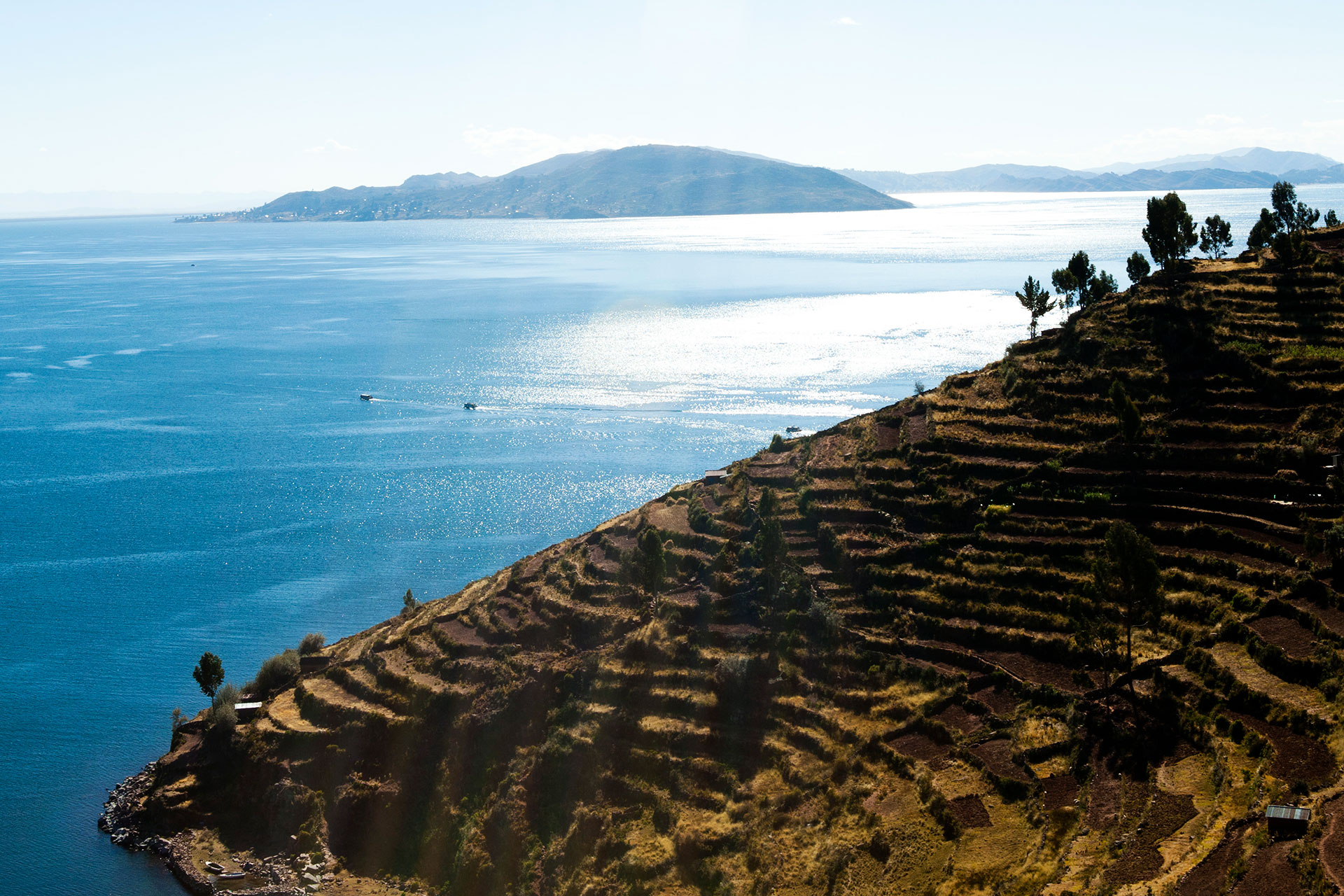
    ● Lake Titicaca, the highest navigable lake in the world, shared between Peru and Bolivia. Navigate its waters to the floating islands of the Uros, built with totora reeds and inhabited by ancestral communities. The Taquile Island, famous for its textile art recognized by UNESCO and the island Amantani where you can walk to the Ceremonial Centers of Pachatata and Pachamama.Pachatata and Pachamama.

    ● Great pre-Hispanic civilizations in archaeological sites:

  • - Sillustani, on the shores of the lagoon Umayo, the Chullpas, funerary towers built by the Colla culture and also used by the Incas, stand out for their chullpas, funerary towers built by the Colla culture and also used by the Incas. 
  • - Archaeological complex of the culture Pukara invites you to discover one of the most ancient centers of the southern Andes, with monolithic sculptures, stepped pyramids 
  • - In Carabaya, accompanied by a guide, discover the rock art by visiting the gallery of rock paintings of Isvilla and Corani

    ● The textile art of Taquile Island, declared a World Heritage Site by UNESCO. This ancestral knowledge is expressed in brightly colored fabrics handmade by the villagers themselves.. 

    ● City of Juli, the little Rome of America, cwalk through its streets and feel the deep religious and artistic heritage of this city, visiting the Temple Museum Nuestra Señora de la Asunción, the Temple Museum San Juan de Letrán, the Temple San Pedro Mártir and the Municipal Museum Oscar Velazco Mezaby its streets and feel the deep religious and artistic heritage of this city, visiting the Templo Museo Nuestra Señora de la Asunción, the Templo Museo San Juan de Letrán, the Templo San Pedro Mártir and the Museo Municipal Oscar Velazco Meza. 

    ● Bosque de Piedras de Pacunasa, also called “Gotham City of Macusani” runs through rock formations, ideal for photography and trekking. 

    ● Virgen de la Candelaria Festivity, a UNESCO World Heritage Site, in February.

    ● Puno gastronomy stands out for dishes such as chairo (a soup based on meat, chuño and vegetables), the cancacho puneño (baked lamb seasoned with Andean herbs), huatia (baked in an earth oven), pesque de quinua (creamy quinoa stew) and fresh trout from Lake Titicaca. 

    ● Representative handicrafts such as the Pucará bull, ceramic figures that symbolize protection and prosperity.

    ● Sombrero de montera, a traditional Andean hat, characteristic of the department of Puno at Peru, worn by women.It is a low-crowned hat adorned with colorful embroidery, forming part of their typical clothing.

    ● Andean hats called Chullos de Taquile, recognized by UNESCO as Intangible Cultural Heritage of Humanity, are unique Andean hats made with sheep or alpaca wool, reflecting the rich tradition and cultural pride of Taquile Island..


The route continue toin from the city of Tacna, by private vehicle you can take the National Route PE-38 and further connect to PE-36./ PE-36A/ PE-36B. You can also take a bus from the National Land Terminal Manuel A. Odria to the city of Puno, the capital of the department of Puno, remember to check the schedules to better plan your experience. The route offers incredible landscapes of extensive plateau.

In Tacna you know:

    ● The historic center with its Cathedral, Regional Historical Museum, Basadre Cultural Center pays homage to the illustrious Tacna historian, Locomotive Park preserves the railroad engine that participated in the War of the Pacific. 

    ● Campo de la Alianza Monumental Complex honors the heroes of that historic battle. 

    ● Archaeological Complex of Miculla with petroglyphs carved in limestone rocks, depicting hunting scenes, ritual dances, daily life and ancestral fauna. 

    ● Valley of the Geysers in Candarave, a geothermal spectacle with more than 85 active geysers and fumaroles at high altitude.. 

    ● Lagoon Aricota, with serene landscapes and high Andean bird watching.

    ● Waterfalls of Panina, offers freshness, hiking and unforgettable views.. 

    ● Gastronomy such as spicy tacneña, adobo tacneño, casserole tacneña, charquicán tacneño.. 

    ● Pisco distilled from grapes, a flagship product peoples from Peru, has a denomination of origin. Travel the Pisco Routes in Tacna, visiting vineyards and wineries such as Don Miguel, Tacna,  Spirit, Cuneo and El Marqués Cariñoso, where in addition to tasting Pisco, you can also get to know other liquors based on local products.. 

    ● Tacna olives with denomination of origin. Tourists can take the Olive Route, visiting crops and local producers, to learn about this treasure of southern Peru.. 

Road Highlights

HISTORICAL CENTER OF THE CITY OF AREQUIPA

UNESCO World Heritage Site with its white ashlar streets, squares, colonial mansions and imposing churches create a unique atmosphere.

COLCA VALLEY AND CANYON

In Arequipa, atCross the Colca Valley, with thousands of pre-Inca terraces, and admire the imposing canyon and the majestic flight of the Andean condor. 

PETROGLYPHS AND CAVE PAINTINGS

In Tacna,explore the Archaeological Complex of Miculla and the Toquepala Caves, where petroglyphs and cave paintings reveal ancestral scenes.

LAKE TITICACA AND ITS ISLANDS

In Puno, an unforgettable experience in Lake Titicaca, navigating among islands such as Uros, Taquile and Amantani, where they connect you with the living culture of Peru.


Arequipa's main square

PHOTO: MINCETUR


Misti Volcano and Arequipa countryside

PHOTO: PROMPERÚ


Viewpoint of the Cruz del Cóndor, Arequipa

PHOTO: PROMPERÚ


Sillar Route

PHOTO: PROMPERÚ


Petroglyphs

PHOTO: PROMPERÚ


Calientes Geysers

PHOTO: PROMPERÚ


Amantani Island

PHOTO: PROMPERÚ


Procession and Image of Our Lady of Candelaria

PHOTO: PROMPERÚ


Chullpas in the archaeological complex of Sillustan

PHOTO: PROMPERÚ


Pisco

PHOTO: PROMPERÚ


Green and black olives

PHOTO: PROMPERÚ
The best adventure

Discover more paths