LCP Hero

Discover the magical path

Southern Historical

Colonial legacy, amazing landscapes and living culture

Explore the Camino Histórico del Sur, a route through the departments of Potosi, Chuquisaca y Tarija that combines colonial legacy, amazing landscapes and living culture. Potosi invites you to admire the historic center of the city and marvel at the Salar de Uyuni. Sucre offers a tour of its heritage architecture and the discovery of dinosaur footprint sites. Tarija offers the opportunity to enjoy its natural reserves, Chapaca traditions and the warmth of its wines and Singani. From colonial museums to ancestral festivities, this road invites you to experience the history of Bolivia through its people, flavors and unforgettable scenery.

.

Temperature

Oscillates on   C and 28° C

Weather

Cool-temperate and warm

Altitude intre 2.050 a 3.900 m.a.s.l.

Dry season: May to October, high season of visitors.

Rainy season: November to April, mid and low season of visitors. 

How to get there?

Find the best route to start your experience

By Air
Access the Camino Histórico del Sur through its four main airports, located in the departments of Tarija, Chuquisaca and Potosí. The Capitán Oriel Lea Plaza Airport in Tarija, the Alcantarí Airport in Sucre, the Capitán Nicolás Rojas Airport in the city of Potosí and the Joya Andina Airport in Uyuni. These airports maintain connectivity with the cities of La Paz, Santa Cruz and Cochabamba. Once you land, continue your trip by land touring the tourist attractions of this road.
Overland
This road has land connectivity through Routes 1 and 5 that run through the central region of Bolivia and allow access between the departments of Potosí, Chuquisaca and Tarija, connecting their main tourist destinations.

Terrestrial Tour

For the tour you can opt for bus from the main terminals, car rental, private vehicles or organized tours by travel agencies. If you decide to take public transportation, remember to check the schedules to better plan your experience 

Terrestrial Tour

For the tour you can opt for bus from the main terminals, car rental, private vehicles or organized tours by travel agencies. If you decide to take public transportation, remember to check the schedules to better plan your experience 

Uyuni to the city of Potosí (205 km / 3 h 30 min)

The tour starts at Uyuni, department of Potosi, by private vehicle you can take the Route 5 or you can take a bus from the Uyuni Land Terminal to the city of Potosí, the capital of the department of Potosi. This route offers landscapes of the Bolivian highlands.

At Uyuni let yourself be surprised by:

    ● EThe Salar de Uyuni is one of the most impressive destinations in the world and a must-see. In the dry season, it travels by 4×4 over an immense salt desert, with stops at Incahuasi Island and salt hotels. In the rainy season, it becomes a giant mirror of the sky, ideal for creative photography, see flamingos and enjoy unique sunsets. A natural spectacle that leaves you speechless.

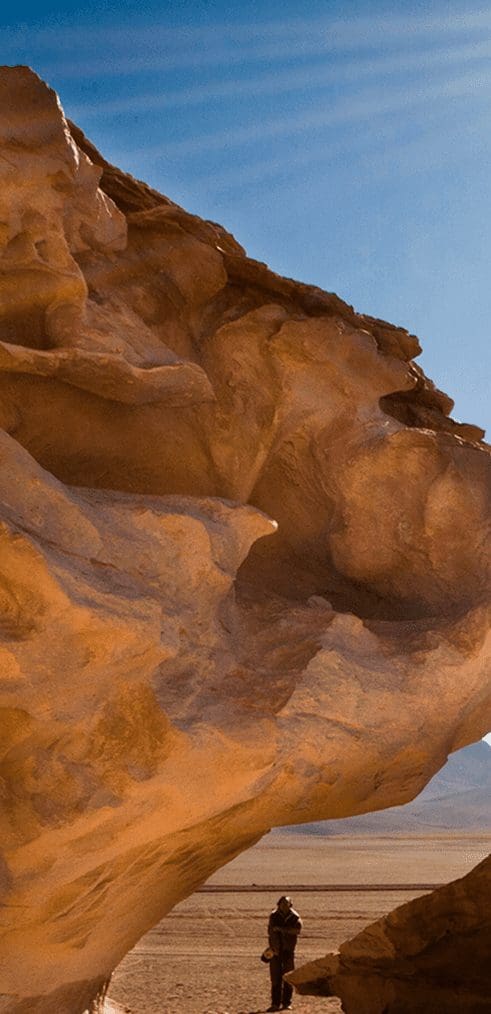
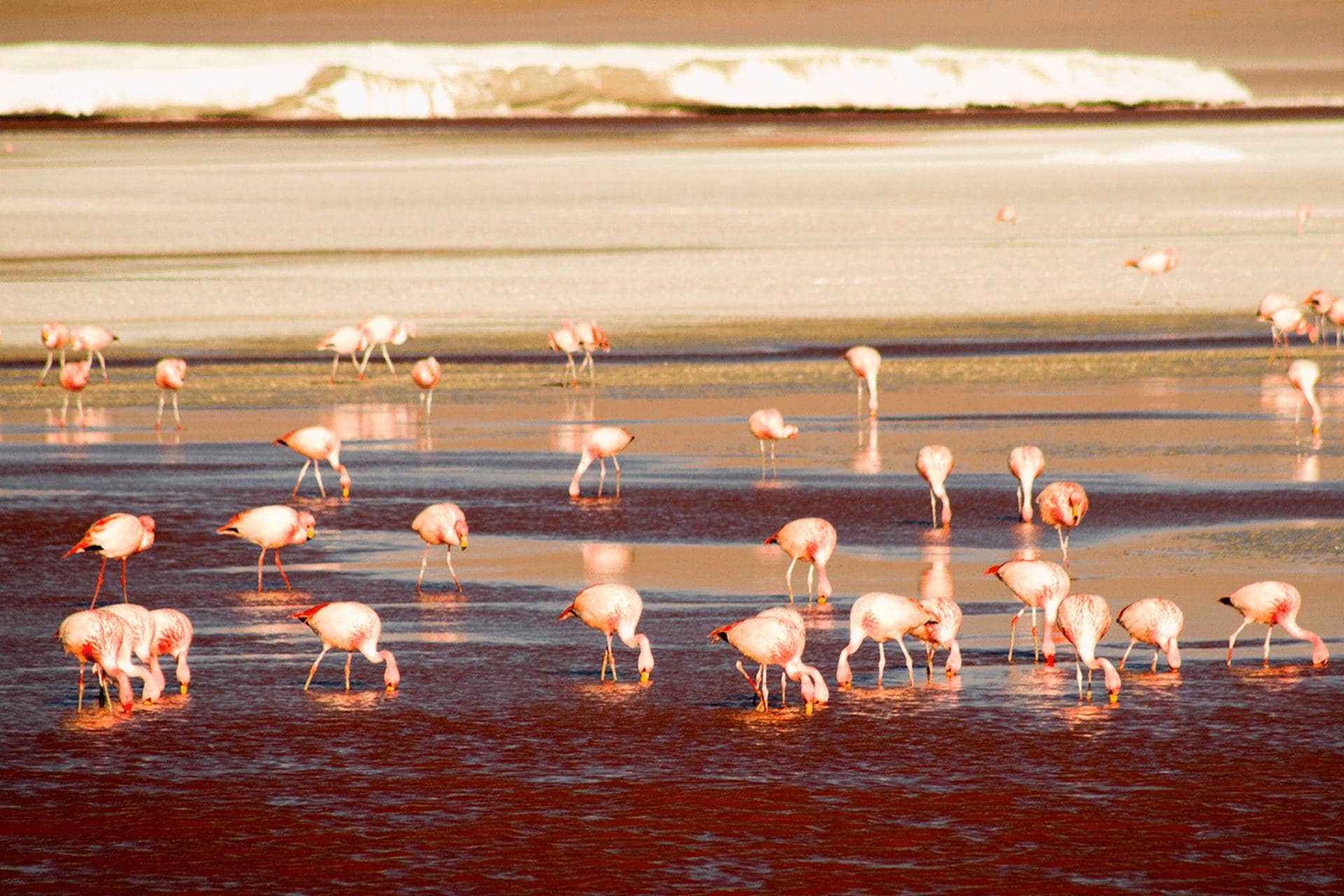
    ● The Eduardo Reserve Avaroa, with 4×4 tours allows you to know Laguna Colorada, with reddish waters, and Laguna Verde, at the foot of the volcano Licancabur. TAlso you can enjoy geysers, hot springs and impressive deserts.

At Potosi tours:

    ●  The historic center that is an open-air museum, that highlights the legacy of baroque architecture in churches such as San Lorenzo, La Merced and the Society of Jesus.Also The colonial convents and the emblematic Casa de la Moneda, one of the most important museums in Bolivia, stand out. 

    ●  The National Park Torotoro, in the north of Potosi, here you can hike through deep canyons, explore caves with amazing formations and discover fossilized dinosaur footprints dating back millions of years. Access is recommended from the department of Cochabamba.

    ●  The Potosi Carnival, in February, is noted for its colorful parades and traditional dances.

    ●  Gastronomy in Potosí is a journey of flavors ibegin with cazuela, a meat stew with potatoes and vegetables. The aji de pataskha, a plate spicy dish with meat of lamb, Chambergos, stew of meat with rice. Calapurka, delicious thick soup with meat. Chajchu, a dish with pork meat accompanied by potatoes and hominy.

The tour continues from the city of Potosí to Sucre, the capital of the department of Chuquisaca. By private vehicle, the trip is made along Route 5, while by public transportation, you can board a bus from the New Bus Terminal of Potosi with regular departures to Sucre.

At Sucre enjoy:

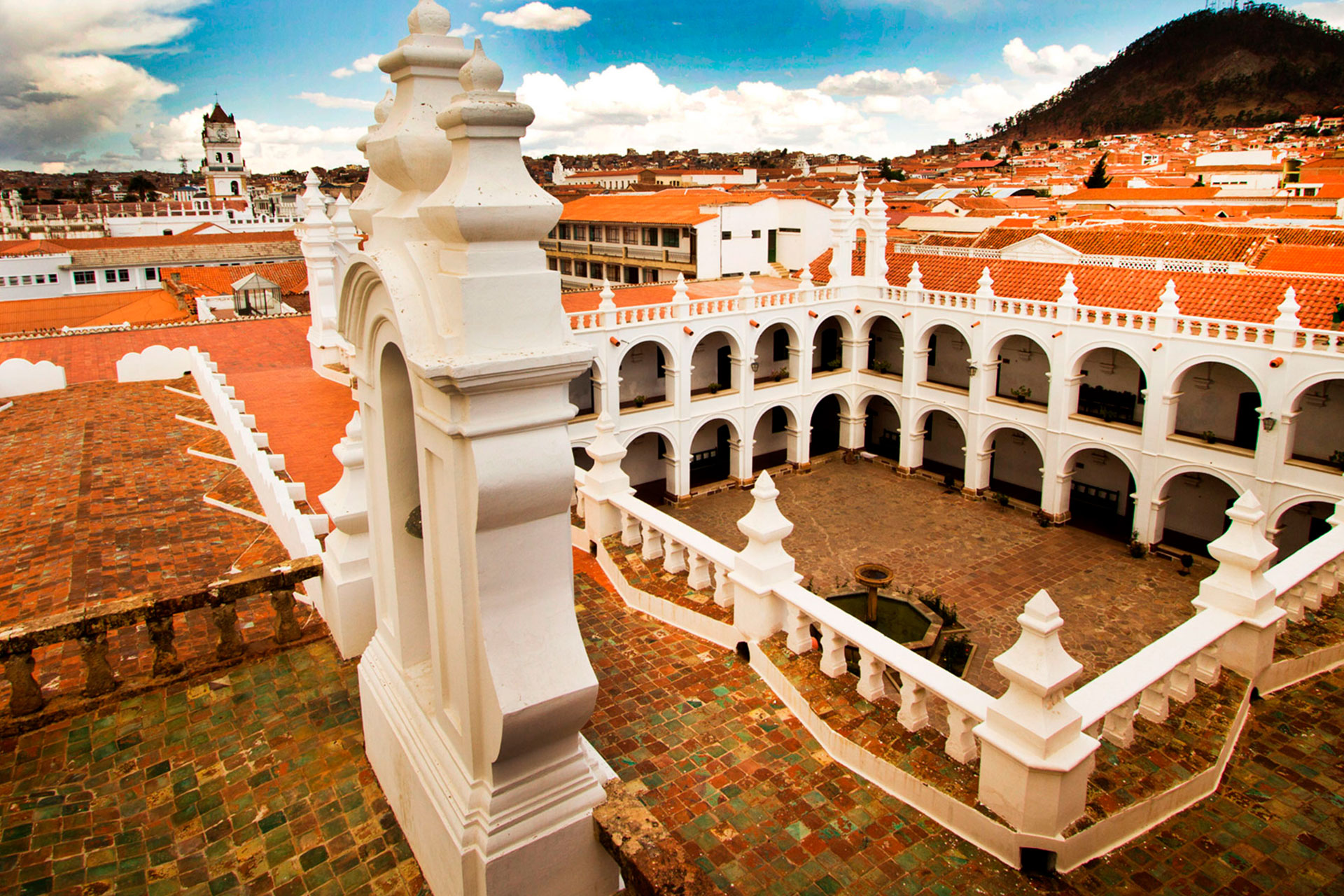
    ● Thehistorical center starting in the Casa de la Libertad Museum que reexperience the key moments of Bolivian history. The Museum of Indigenous Art presents colorful weavings and living traditions. Don't miss the Metropolitan Cathedral, the San Felipe Neri Convent and the Charcas University Museum. Every corner reveals history in la city declared PatrimUNESCO World Heritage Site.

    ● Cal Orck´or, very close to Sucre, surprises with more than 12,000 dinosaur footprints that  revealsn traces of at least 294 species that inhabited the region 68 million years ago.

    ● The El Palmar Integrated Management Natural Area, contains one of the tallest palm forests in the world, that you will be able to walk through sroads make wildlife sighting.

    ● Festivities such as El Pujllay, held in March in Tarabuco, near Sucre, is an explosion of color and music that recalls the indigenous resistance.. 

    ● The Feast of the Virgin of Guadalupe, which takes place in September, fills Sucre with devotion and joy..

    ● Gastronomy that you can't miss, the mondongo chuquisaqueño, with delicious pork, chili, mote and potato. Picante de pollo, a tasty stew with chicken meat, potatoes and chili peppers. The K'arapecho, prepared with beef, corn and vegetables, accompanied by chicha to complete the experience.

The tour continues from Sucre, by private vehicle you can take the Route 5 and Route 1, or you can take a bus from the Terminal Terrestre de Sucre to the city of Tarija, capital of the department of Tarija.

At Tarija be surprised with:

    ● The Historical center and its attractions like The imposing Cathedral, declared a World Heritage Site, is the Bolivia, lto elegant Casa Dorada testimony tradition, ehe majestic Blue Castle y the Pinacoteca, which highlights the local talent and artistic richness of this fascinating destination.

    ● The valle de la Concepción, where vineyards and mountains intertwine, creating dreamlike landscapes.

    ● The Cordillera de Sama Biological Reserve is a natural sanctuary with unique biodiversity, ideal for ecotourism lovers.

    ● The National Flora and Fauna Reserve Tariquía, home to yungueño and dry forests, enjoy hiking, wildlife sightings such as jaguars and Andean bears..

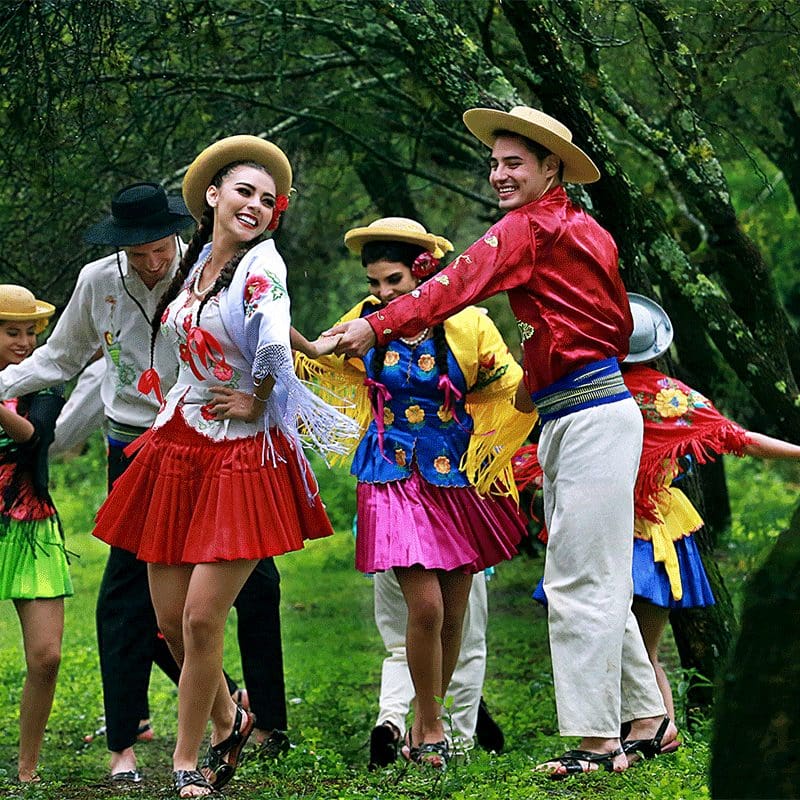
    ● The Chapaco Carnival, celebrated between February and March, is a festival with parades, dances and the traditional «soltada del diablo» (release of the devil), attracting national and international tourists.

    ● La Vendimia, in March, celebrates the grape harvest with parades, wine and joy.

    ● The Fiesta Grande de Tarija, celebrated in August, is a display of music, dances and traditions that exalt the local identity..

    ● Gastronomy that conquers you with the star dish that is the saice, a ground beef stew with potato, red chili and spices. The ranga ranga, prepared with tripe and chili peppers, offers a spicy dish. EThe pork on the cross, slowly cooked on the fire. 

    ● The Route of Aromas and Flavors will take you through vineyards and wineries where you can live unforgettable wine experiences. 

    ● The Singani, here runs through the cradle of the Bolivian distillate with denomination of origin,made exclusively from Muscat of Alexandria grapes that you conquers with its intense aroma and elegant flavor.


Road Highlights

UYUNI SALT FLATS

In Potosí, inhe largest salt desert in the world world, offers unique landscapes, water mirrors in rainfall and 4×4 tours all year round.

TOROTORO NATIONAL PARK

In Sucre,stands out for its dinosaur footprints, canyons, caves and unique landscapes, ideal for hiking, ecotourism and geological exploration in a spectacular environment.

HERITAGE CITIES

Sucre and Potosí, World Heritage Cities by UNESCO, captivate with their colonial architecture, living history and cobblestone streets that reflect the cultural splendor of Bolivia.

SINGANI and VINEYARDS

Singani, a Bolivian distillate with denomination of origin, is made in Tarija with Moscatel de Alejandría grapes. Several vineyards offer wine tourism experiences to learn about its production and taste it


Uyuni Salt Flat

PHOTO: Vice-Ministry of Tourism Bolivia


Potosi - Torotoro National Park

PHOTO: Vice-Ministry of Tourism Bolivia


Dinosaur footprints

PHOTO: Vice-Ministry of Tourism Bolivia


25 de Mayo Square

PHOTO: Vice-Ministry of Tourism Bolivia


Chaco Tradition

PHOTO: Vice-Ministry of Tourism Bolivia


Chapacos Carnival

PHOTO: Vice-Ministry of Tourism Bolivia


Chuquisaca - Chuquisaqueños Chorizos

PHOTO: Vice-Ministry of Tourism Bolivia


Tarija crabs

PHOTO: Vice-Ministry of Tourism Bolivia
The best adventure

Discover more paths