Skip to content
Explore the Central Altiplano and Central Valley Trail, a journey through the must-visit destinations like La Paz, Oruro y Cochabamba. This tour connects breathtaking Andean landscapes, lively cultures and authentic experiences. In La Paz, be amazed by its unique geography, its vibrant capital city and the magic of Lake Titicaca, the navigable lake highest in the world. Continue to Oruro, land of millenary traditions, where the famous Carnival and the Sajama National Park reveal the cultural and natural soul of the altiplano. Ends in Cochabamba, the “heart of the world Bolivia”, located in the vcentral alle of Bolivia, dazzles with its temperate climate, rich gastronomy and a harmonious blend of history, nature and modernity.
Ranges from 5° C to 24° C
● Cold-temperate (Altiplano) and warm (Valley)
● Altitude between 2.500 a 4.150 a.s.l.m..
● Dry season: May to October, high visitor season.
● Rainy season: November to April, intermediate and low visitor season.
For the tour you can opt for bus from the main terminals, car rental, private vehicles or organized tours by travel agencies. If you decide to take public transportation, remember to check the schedules to better plan your experience.
Copacabana
Tiwanaku
For the tour you can opt for bus from the main terminals, car rental, private vehicles or organized tours by travel agencies. If you decide to take public transportation, remember to check the schedules to better plan your experience.
The tour starts in Copacabana, department of La Paz, by private vehicle you can take the La Paz highway - Copacabana or you can take a bus from the Copacabana Land Terminal to Tiwanaku. At address to Tiwanaku, you will cross the Strait of Tiquina in can, living a unique experience with altiplanic landscapes. The route orffree spectacular views of Lake Titicaca.
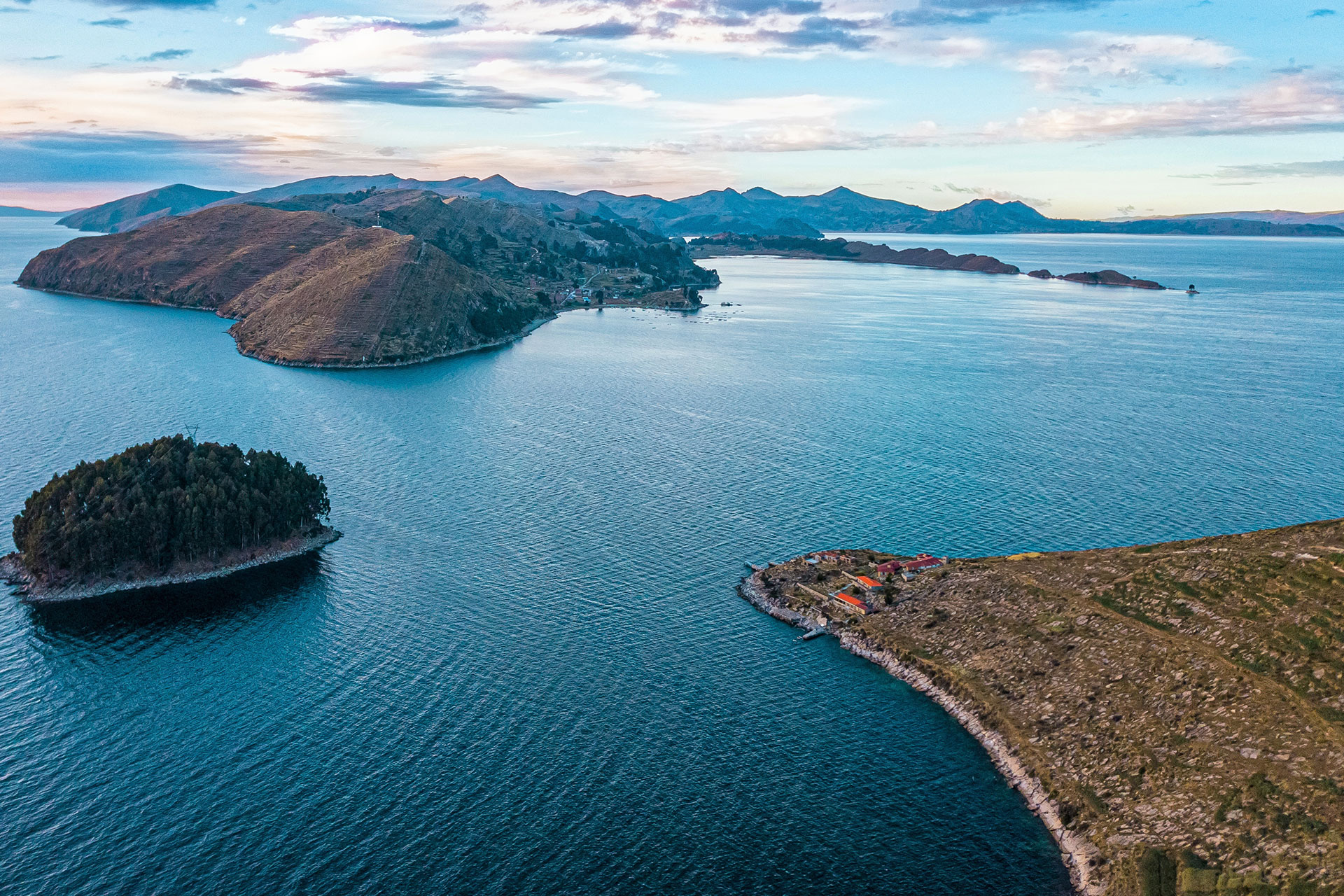
● The Isla del Sol, legendary cradle of the Incas, where the Gold Museum, the Rock of Puma and the Temple of the Incas are located. Pilkokaina will transport you to ancestral times. To get to from Copacabana crosses in can in approximately 1 h 30 min
● Ta Isla de la Luna or Moon Island Koati, The Palacio de las Virgenes, a ceremonial structure with 35 rooms that shows the advanced architecture of the time, awaits you. For arriving from Copacabana the boats offer a shared visit with the Isla del Sol, which is very close by.
● The Sanctuary of the Virgin of Copacabana, cach year, thousands of pilgrims come to the sanctuary in search of miracles, especially during the August 5th celebrations.
● Tiwanaku, vestiges of a great pre-Columbian civilizationincaica and inca. Declared a World Heritage Site by UNESCO, This archaeological site fascinates with the majesty of the Akapana pyramids, Pumapunku and the Temple of Kalasasaya.
The tour continues from Tiwanaku, department of La Paz, in a private vehicle you can take the Panamerican Highway or toma minibus from the central square of the Tiwanaku to the city of La Paz, Department of La Paz. The ruta offers majestic landscapes of the altiplano.
● Thehistorical center with la Basilica of San Francisco, with its impressive mestizo baroque façade, y, the Metropolitan Cathedral, reflect the Spanish legacy, while the Witches Market and Jaen Street preserve Andean traditions in every corner.
● Ehe longest and highest urban cable car in the world; it connects the city and El Alto with 10 lines, while you enjoy panoramic views of the imposing Cordillera Real.
● Madidi National Park offers trails through jungles and mountains, boat rides on the river Tuichi and sightings of more than 1,000 species of birds, such as the Red-tailed Woodpecker.
● The Cordillera Real, with snow-capped peaks exceeding 6,000 meters, is ideal for mountaineering and hiking in spectacular scenery just 2 hours from the city of La Paz.
● The Nevado Illimani, guardian of La Paz, The 6,000-meter-high, dazzling mountain, which is ideal for experienced mountaineers, is the ideal place for experienced mountaineers.
● The Nevado Huayna Potosí, accessible from El Alto, is perfect for beginners. in mountaineering.
● Gastronomy traditionl like el Chairo which is a soup of chuño, lamb and vegetabless. The Pork Fricassee is highlighted with yellow chili and white corn. The Thimpu, lamb stew with rice is a classic of the altiplano. The Picante de Chicken offers intense flavors, and the Cheese Humacha, with beans and cheese, completes this delicious sample of Andean tradition.
● The Alasitas fair, in January, fills the city with miniatures and wishes to the Ekeko
● The ch'alla, In February, she blesses homes and projects with prosperity rituals.
● The entrance of the Señor del Gran Poder, a World Heritage Site, celebratedin May, dazzles with bright costumes, to the rhythm of dances such as the Morenada.
● Ehe month of the Pachamama in August, participates in colorful offerings and the burning of the k'hoa, expressing gratitude to the land.
● The Aguayo is one of the greatest expressions of Bolivian textile art, and an authentic jewel that reflects the cultural richness of the region., you can buy it at craft fairs.
The tour continues from the city of Ta Paz, department of La Paz, in a private vehicle you can take the Panamerican Highway or take a bus from the Terminal from La Paz to the city of Oruro, capital of the department of Oruro. The trip crosses altiplanic landscapes that will take your breath away.
● The historic center with its attractions full of culture and history as well as thehe Eduardo Lopez Rivas Anthropological Museum holds pre-Columbian pieces, lhe Simón I. Patiño offers art and heritage exhibitions,he Mineralogical and Geological Museum,he San Miguel de la Rancheria Museum of Sacred Art houses valuable colonial religious works.. While the Museo Ferroviario de Machacamarca exhibits historic locomotives, reflecting Bolivia's rich railway and mining heritage.
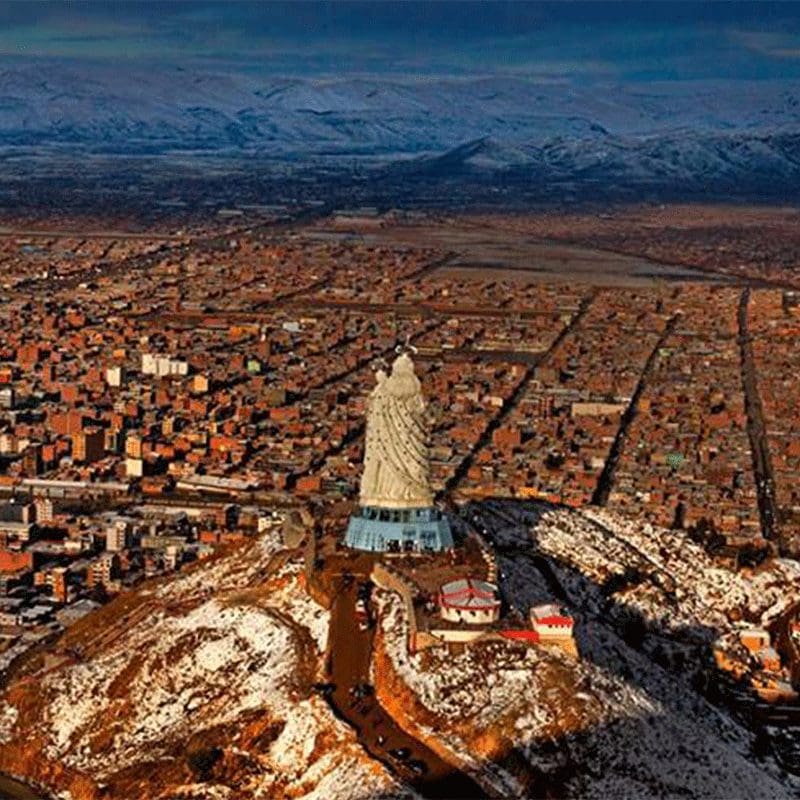
● The Sanctuary of the Virgen del Socavón, dstake its altar covered with gold leaf that enhances the image of the patron saint of the Oruro Carnival, recognized as a World Heritage Site. by UNESCO.
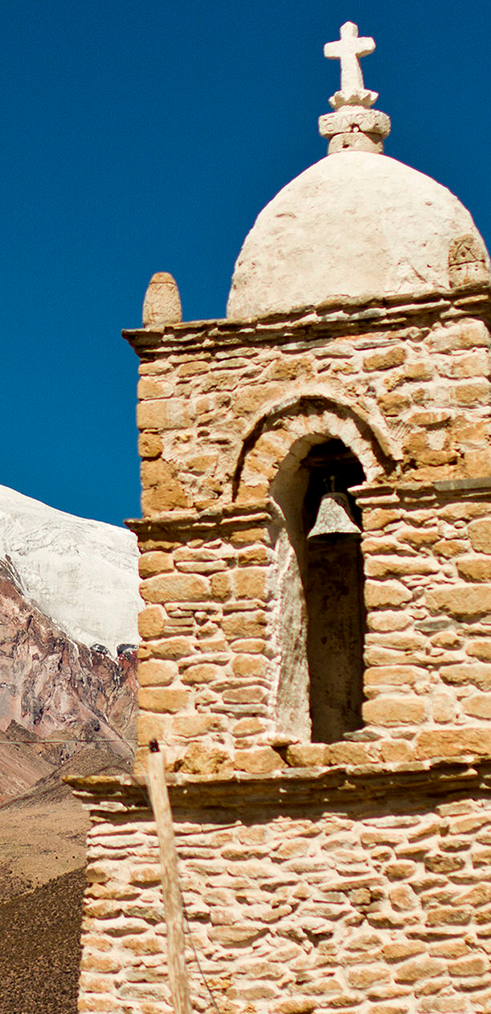
● The Sajama National Park, A few hours from the city of Oruro, with the imposing pre-Hispanic chullpas of Pumiri, rock art at sites such as Pultuma y Pumiri, the majestic Tata Sajama, Bolivia's highest peak at you can enjoy activities such as trekking, walks and observation of flora and fauna, as candean condors and vicuñas
● The Oruro Carnival, declared a World Heritage Site, takes place between February and March and is famous for its impressive parade of dances, such as the Diablada, and for its elaborate and colorful costumes. Festivity centered on the Virgin of Socavón
● The gastronomy which is a feast with the charquekán, a delicious a plate, from dried meat and potatoes. The roasted face, a unique recipe that highlights lamb meat at its best, and api, a sweet and comforting drink made from purple corn..
The tour continues from the city of Oruro, by private vehicle you can take the Highway 12 to connect with the National Route 4. Also you can take a bus from the Oruro Bus Terminal to the city of Oruro. Cochabamba, department of Cochabamba located ator in the Central Valleyl. On the way go to from the altiplano to the valleys Bolivians.
● El Park 14 of Septiembre, surrounded by colonial mansions such as the Casa Mayorazgo and the Palacio Portales, to religious architectural gems such as the Metropolitan Cathedral and the Convent of Santa Teresa, every corner breathes heritage.
● The imposing Cristo de la Concordia, located on Cerro San Pedro, watches over the city.
● The Tunari National Park surprises with its summit of more than 5,000 meters and perfect views for the trekking and photography within the city.
● Ta Laguna Alalay, an oasis of biodiversity in the south of the country of the city.
● Ta Laguna La Angostura, near Cochabamba, relax with a picnic while watching condors.
● Carrasco National Park, to a hours of Oruro, explores trails that wind between misty forests, marvel at the Caverns of the Repechón, home of the enigmatic guacharo
● National Park Torotoro, a few hours from Oruro, awaits you with dinosaur footprints, hidden waterfalls and rock formations, although this park belongs to the department of Potosi, many tourists choose to arrive from Cochabamba because of its easy access.
● The food of the gastronomic capital of the country, with dishes such as the famous Pique Macho prepared with sautéed meat, sausages and french fries, and the tasty Silpancho, a beef milanesa served with rice, boiled potatoes and fresh salad.
The highest navigable lake in the world, shared with Peru, invites you to take boat rides. and rafts, hiking, bird watching and live culture. hiking, birdwatching and living culture.
Discover Tiwanaku, World Heritage Site by UNESCO, with millenary temples, pyramids and vestiges of an astonishingly advanced Andean civilization..
Explore the Sajama National Park with trekking, hot springs, geysers, queñuales and the imposing Sajama snow-capped mountain, the highest in Bolivia.