 Skip to content


Discover the
Northern Andes Road
Breathtaking landscapes, ancestral culture and unique flavors
Explore the Northern Andes Trail, a route along the Carchi, Imbabura and Pichincha that unites imposing landscapes, ancestral culture and unique flavors. In Carchi, admire the Tulcán Cemetery, a unique sculpture garden, and visit the El Ángel Reserve, the Chiles Volcano and the Arrayanes Forest. In Imbabura, explore Otavalo and the Plaza de los Ponchos, navigate the Cuicocha Lagoon and enjoy the hot springs of Chachimbiro. In Pichincha, marvel at the Historic Center of Quito, climb the Rucu Pichincha by cable car and visit the Andean Chocó. This road connects identity, nature and unforgettable experiences.
Temperature
Ranges from 4° to C and 28° C H
Weather
● Cold temperate and warm humid
● Altitude between 2,000 and 4,800 m.a.s.l.
● Dry season: June - september, high visitor season
● Rainy season: October - may, mid and low season for visitors

How to get there?
Find the best route to start your experience
By Air
Access the Northern Andes Road through the province of Pichincha. Land at the Mariscal Sucre International Airport, located in Quito, one of the airports with greater connectivity in the country, which receives domestic and international flights on a regular basis. This airport is the closest to the provinces of Imbabura and Carchi.
Once you land, your trip will continue by land, exploring the fascinating attractions of this trail.
Overland
This road has land connectivity through the Troncal de la Sierra E-35, part of the Pan-American Highway in Ecuador. This main road crosses the provinces of Carchi, Imbabura and Pichincha, allowing you to enjoy their tourist destinations.
Terrestrial Tour
For the tour you can choose to take a bus from the main terminals, rent a private vehicle or hire an organized tour by travel agencies. If you decide to take public transportation, remember to check the schedules to better plan your experience.
Cayambe
Otavalo

Terrestrial Tour
For the tour you can choose to take a bus from the main terminals, rent a private vehicle or hire an organized tour by travel agencies. If you decide to take public transportation, remember to check the schedules to better plan your experience.
Quito to Cayambe (70 km / 1 h 20 min)
The tour starts in the city of Quito, the capital of the province of Pichincha, by private vehicle, you can take track E-35 or also called Panamerican Highway. You can also take a bus from the Terminal La Ofelia or from Quitumbe Land Terminal to the city of Cayambe, in the province of Pichincha. The route offers wonderful mountain scenery, green fields and volcanoes.
In Quito let yourself be captivated by:
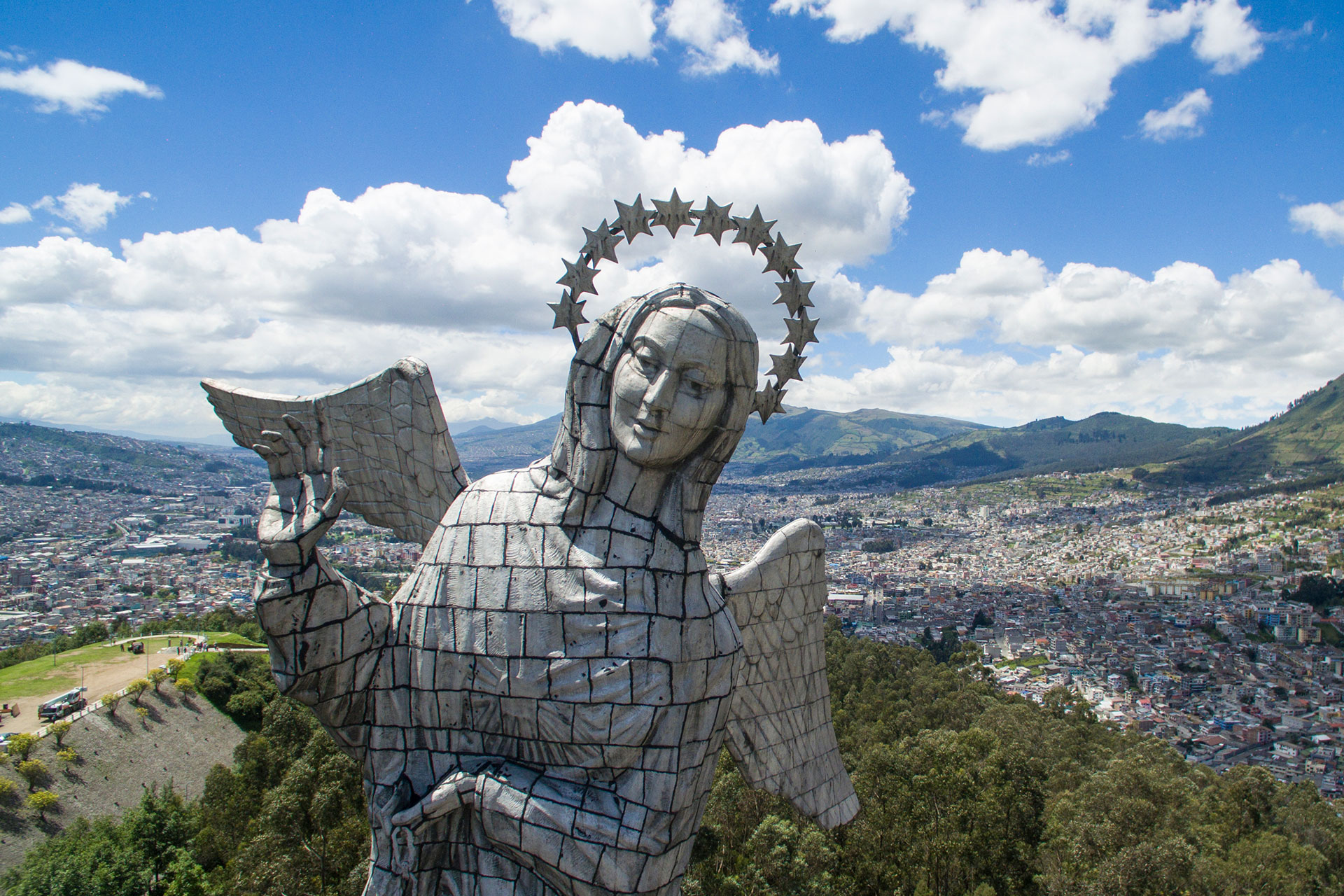
- ● Quito's Historic Center captivates with its recognition as a UNESCO World Heritage Site, where each cobblestone street narrates centuries of history. Tour the imposing baroque-style Church of the Company of Jesus, with its gold leaf-covered interior, and the neo-Gothic Basilica of the Voto Nacional, whose towers offer unforgettable views of the city, among many other churches and convents.
- ● Barrio La Ronda, a charming and colorful cobblestone passage that maintains the tradition of colonial Quito, allowsthe enjoy its galleries, workshops and cozy cafes.
- ● Museums such as the National Museum of Ecuador, the Museum of Pre-Columbian Art Casa del Alabado, Museum of the City, among many others in the center of the city.
- ● Ciudad Mitad del Mundo invites you to live the fascination of stepping on the equatorial line marked by the famous monument and experience the unique sensation of being in two hemispheres at the same time.
- ● Museo Intiñán, near the Mitad del Mundo, where interactive replicas and scientific demonstrations reveal secrets of balance and gravity.
- ● El Planetarium, experience an immersive performance, explore the Ethnographic Museum.
- Teleférico de Quito takes you on an unforgettable journey to more than 4,000 meters above sea level, from the top of the Rucu Pichincha, with panoramic views of the city and Andean volcanoes. Ideal for hiking, photography and contact with the Andean highlands, it also has the Vulqano Park amusement park, with rides and family activities.
- ● Cochasquí, archaeological jewel of the pre-Hispanic civilization in Ecuador, this archaeological complex houses 15 truncated pyramids and ceremonial mounds built by the Quitu-Cara.
- ● Chocó Andino Route protects 286,000 hectares of cloud forests and diverse fauna. Travel through Mindo, Nono, Pacto and other communities, observe birds such as the Andean toucan and enjoy sustainable tourism between nature, culture and unique biodiversity.
- The Condor Route in the Antisana Ecological Reserve invites you to explore moorlands, lagoons and viewpoints where it is possible to see the Andean condor. Enjoy walks along the Mica Lagoon and views of the Antisana Volcano.
- ● The Pululahua Geobotanical Reserve, a few kilometers from Quito, protects one of the few inhabited volcanic craters in the world. It offers viewpoints, hiking, biking and horseback riding trails, as well as colonial vestiges.
- ● Gastronomy offers dishes such as hornado con llapingacho, yahuarlocro, fritada, locro de papa and empanadas de viento. Also of note are tripas mishqui and figs confit with panela and fresh cheese.
- ● Pichincha's handicrafts include weavings, masapan figures in Calderon, ceramics, leather and jewelry in Quito. The Mercado Artesanal La Mariscal brings together the best of this cultural expression.
In Cayambe dare to explore:
- ● Cayambe-Coca National Park awaits you with moorlands, lagoons, waterfalls and amazing biodiversity. Ideal for hiking, photography and wildlife observation, this park protects species such as spectacled bears and condors.
- ● Cayambe Volcano, inside from Cayambe-Coca National Park, is the thirdhighest mountain topin of Ecuador and the only glacier crossed by the Equator.
- ● Inti Raymi Festivities, celebrated since June 21 in the Inter-Andean Alley, has its most outstanding expression in Cayambe, where it merges with the traditional Festivities of San Pedro del Sol, becoming one of the main cultural attractions of the province.
- ● Flower exporters all around the entrance to Cayambe, where you can get large flowers, variety of colors, at excellent prices.
- ● Unique gastronomy such as the classic flour biscuits, crispy and golden, are baked in wood-fired oven and enjoyed with leaf cheese and manjar de leche.
Cayambe to Otavalo (31 km / 35 min)
The tour continues from the city of Cayambe, in the province of Pichincha, by private vehicle you can take the road E-35, also called Pan-American Highway or you can take a bus from the Terminal Terrestre of Cayambe to the city of Otavalo, in the province of Imbabura.
In Otavalo dare to explore:
- ● Plaza de los Ponchos in Otavalo brings together more than 3,000 Kichwa artisans offering textiles, jewelry and traditional art, with Saturday being the busiest day. Here you can find the chumbi or Andean sash, a traditional garment that represents identity and memory in Imbabura.
- ● San Pablo Lake, at the foot of the Imbabura volcano, stands out for its biodiversity of activities such as kayaking, boating, sport fishing, cycling, hiking, horseback riding, among others.
- ● Peguche waterfall, a sacred place surrounded by Andean nature, ideal for walking, breathing fresh air and connecting with nature.
- Imposing Imbabura volcano, ideal for hikers in good physical condition. Its ascent takes between 6 and 8 hours round trip, with moderate to high difficulty, and offers spectacular views of lagoons and valleys.
- ● Lagoons very close to Otavalo as the three lagoons of Mojanda, which are accessed by routes suitable for 4×4, these lagoons are ideal for camping and exploration. Also nearby is the Cuicocha Lagoon with the volcanic crater of Cotacachi, an inactive stratovolcano and its lagoon houses two volcanic islets that you can visit on boat rides. This lagoon has a circuit of trails of 4 to 7 hours that surround it where you can enjoy spectacular views.
- ● Cotacachi, very close to Otavalo, stands out for its leather work: handmade jackets, bags and footwear, recognized for their style and durability.
- ● Otavalango Living Museum, where the traditions of the Kichwa people come to life. Here you can learn about the elaboration of ancestral weavings, enjoy traditional music and dances.
- Condor Park invites you to get up close and personal with the most impressive birds of prey in the Andes. This rescue center offers educational exhibits with hawks, eagles and condors in full flight, in a natural environment overlooking the Imbabura.
- ● The Yamor Festival in September honors corn, sacred food for the Kichwa Otavalo people, with seven varieties of chicha, dances, parades, music, craft fairs and community meetings.
- ● Other festivities Andean rituals such as the Koya Raymi in September, which honors femininity and sowing, with rituals dedicated to Pachamama. Qhapac Raymi in December, which celebrates the spiritual maturity and learning of the youth. Pawkar Raymi in March, which celebrates the flowering of mother earth with cultural and sporting events. Inti Raymi in June, the most representative festival in honor of the Sun.
- ● Ancestral gastronomy such as the “Plato del Yamor» unites ancestral flavors with festive identity: potato tortillas, mote, pork, roasted corn and empanadas de viento. In Cotacachi, very close to Otavalo, surprises with its red meats, accompanied by potatoes, mote and roasted corn.
Otavalo to Ibarra (23 km / 30 min)
The tour continues from the city of Otavalo, province of Imbabura, by private vehicle, you can take road E-35, also called Pan-American Highway or you can take a bus from the Terminal Terrestre of Otavalo to the city of Ibarra, capital of the province of Imbabura. The route offers wonderful mountain scenery, lagoons and volcanoes.
In Ibarra you know:
- ● Historic center captivates with the 19th century Cathedral, the Episcopal Chapel and the Government House, icons of its colonial legacy. Visit the El Cuartel Cultural Center, a vibrant space for contemporary art. Visit the Museum of the Central Bank and see archaeological pieces of the Caranqui, along with religious art and local ethnography.
- ● Yahuarcocha Lagoon, very close to Ibarra, allows boat rides, recreational fishing, hiking in the surroundings, picnics at the viewpoints and, if you are an adventure lover, you can visit the international racetrack.
- ● Termas de Chachimbiro, very close to Ibarra, an ideal destination to relax in mineral waters that spring from volcanic subway springs, with temperatures reaching around 50 °C.
- ● Antonio Ante, very close to Ibarra, is the textile capital of northern Ecuador, awaits you with more than 200 stores displaying all kinds of excellent quality garments, made with domestic and imported fabrics and high quality finishes.
- ● Zuleta, near Ibarra,visit hand embroidery workshops, where local craftswomen create unique pieces full of color and detail. Visit the Casa Carangue Museum in Zuleta, a place that preserves and celebrates the legacy of the Caranqui culture.
- ● Gastronomy that will delight like paila ice cream, made with natural flavors, corn bread, nogadas and blackberry syrup.
Ibarra to Tulcán (126 km / 2 h 20 min)
The tour continues from the city of Ibarra, province of Imbabura, in a private vehicle, you can take E-35, also called Carretera Panamericana or you can take a bus from the Terminal Terrestre de Ibarra to the city of Ibarra. Tulcán, capital of the province of Carchi.
In Tulcán explore:
- ● Municipal Cemetery “José María Azael Franco Guerrero” of Tulcán, a cultural jewel located northwest of the city. This cemetery, declared Cultural Heritage of the State in 1984, dazzles with more than 300 sculptures carved in cypress.
- ● Cathedral of Tulcán and in San Pedro de la Huaca visit the Catholic Sanctuary Nuestra Señora de la Purificación, spaces that show the local religious art.
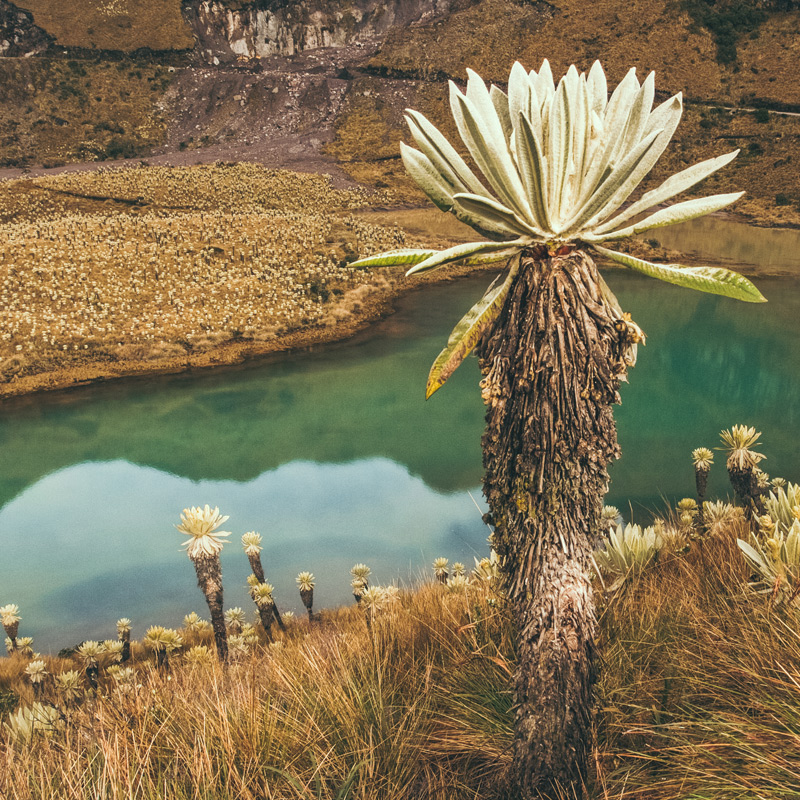
- ● El Ángel Ecological Reserve, near Tulcán, an impressive páramo where you can walk among giant frailejones, walk through Polylepis forests and visit the wonderful El Voladero Lagoon.
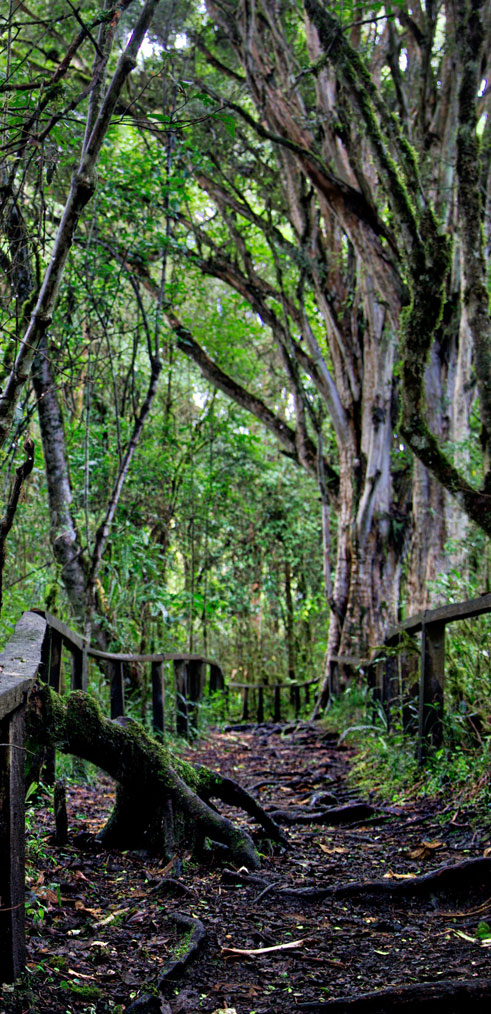
- ● Bosque de Arrayanes, near Tulcán, a magical place for guided hikes, contemplation of ancient trees and connection with nature in the north of Ecuador.
- ● Chiles Volcano, for lovers of adventure and high altitude hiking between the border Ecuador and Colombia, there are also the Green Lagoons located in an ideal environment that allows wildlife observation and photography of Andean landscapes.
- ● Baile de los Inocentes is one of the most representative festivities of Carchi and is celebrated every December 28 in the canton of Montúfar. This tradition combines satire, colorful costumes, comparsas and parades where the community expresses social criticism and popular humor.
- ● Surprising gastronomy such as roasted guinea pig accompanied by boiled potatoes, prepared with local spices and cooked over charcoal. The hornado pastuso, slow-baked pork served with potatoes, mote and hot sauce. Papas con cuero de San Gabriel, a typical recipe that combines tender potatoes with pork skin in a sauce prepared with a base of ground peanuts and milk.
From here, the traveler can continue his route northward exploring the Colombia-Ecuador Binational Road, a journey that connects Ecuador and Colombia through shared history and unforgettable Andean landscapes.
Road Highlights
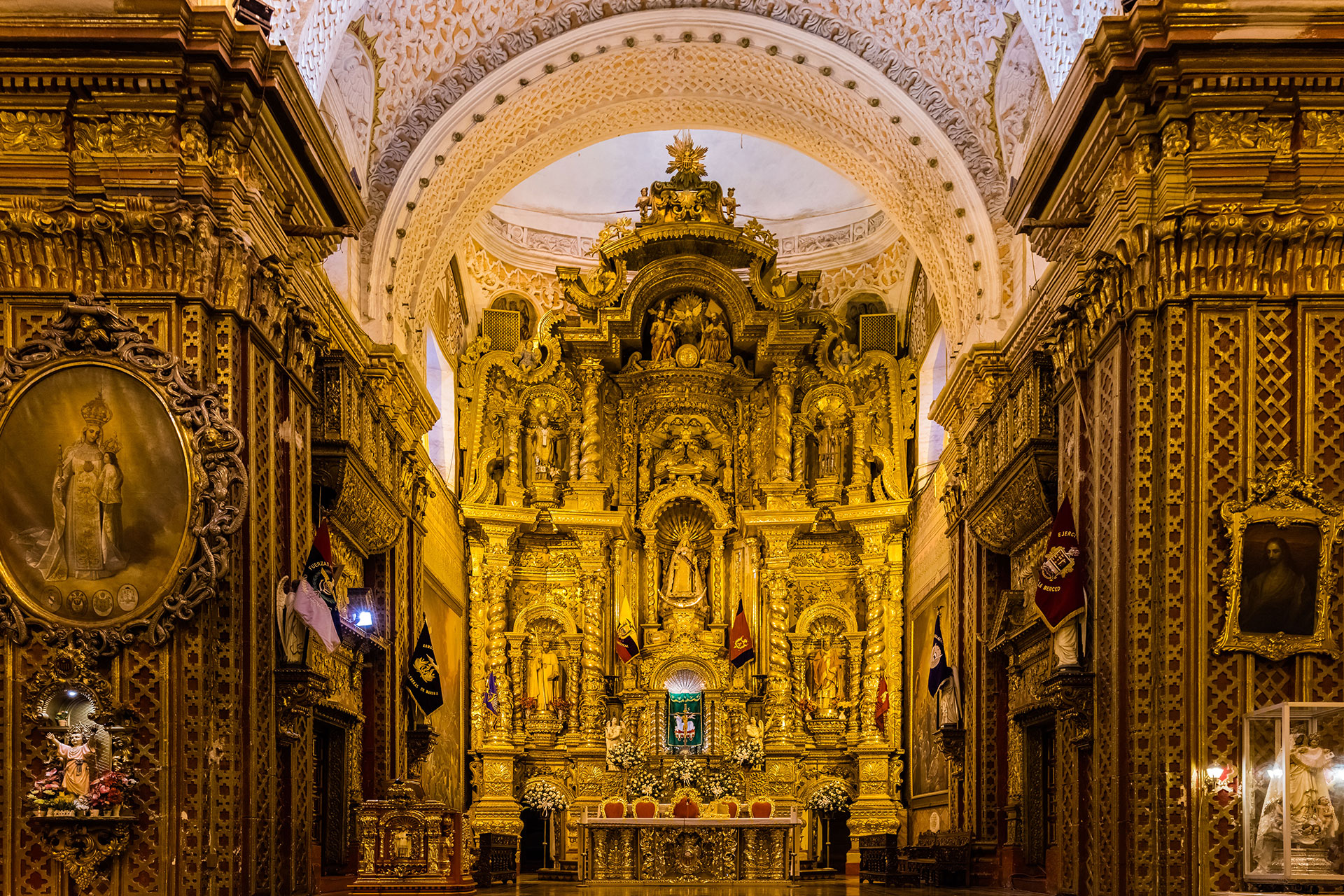
HISTORIC CENTER OF QUITO
In Pichincha, one of the largest and best preserved in Latin America, declared a World Heritage Site by UNESCO, reunches colonial architecture, monumental churches and museums world-class.
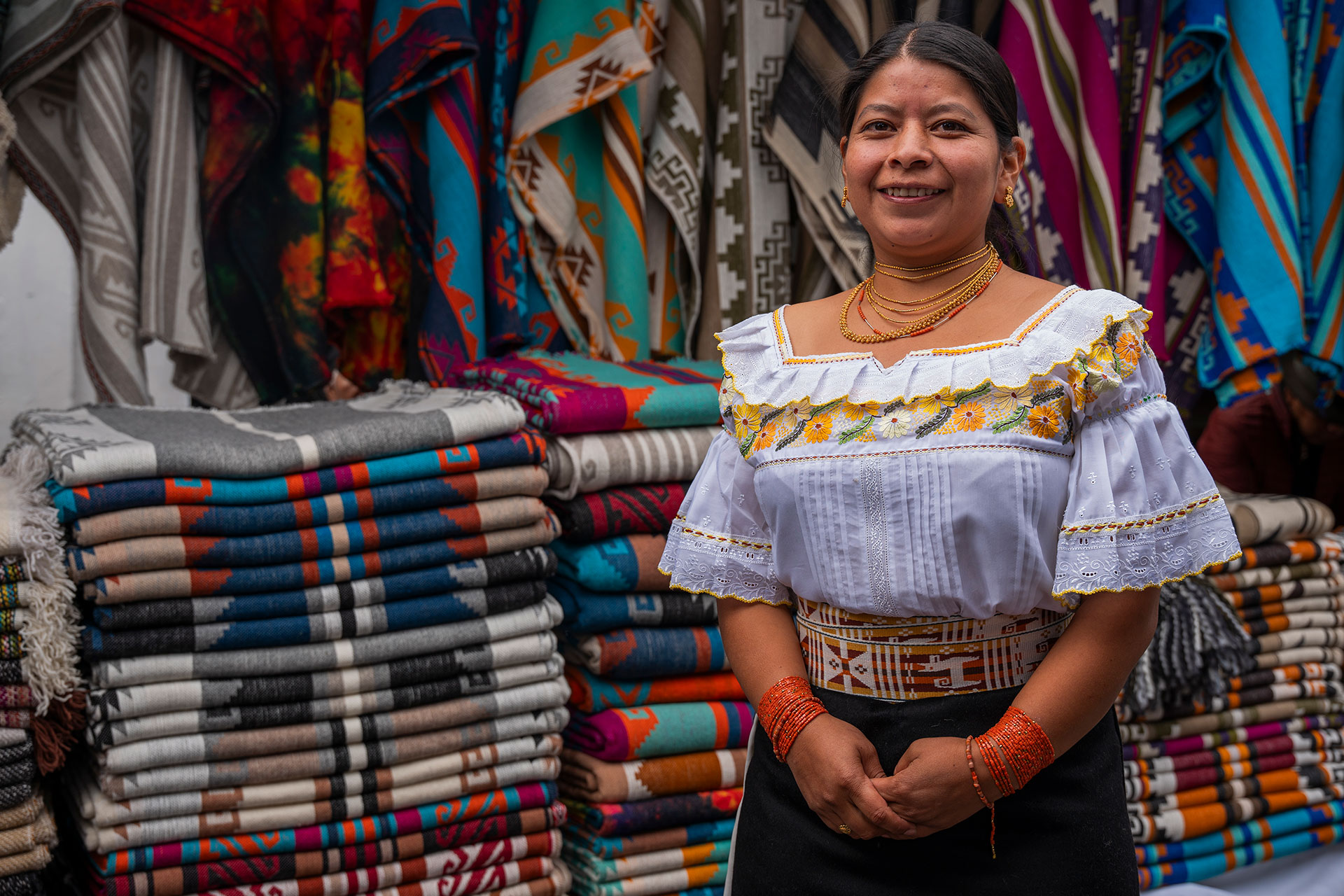
OTAVALO PONCHOS SQUARE
In Imbabura, themost famous handicraft market in the country,eunites more than 3,000 craftsmen and craftswomen kichwas offering textiles, jewelry and traditional art.
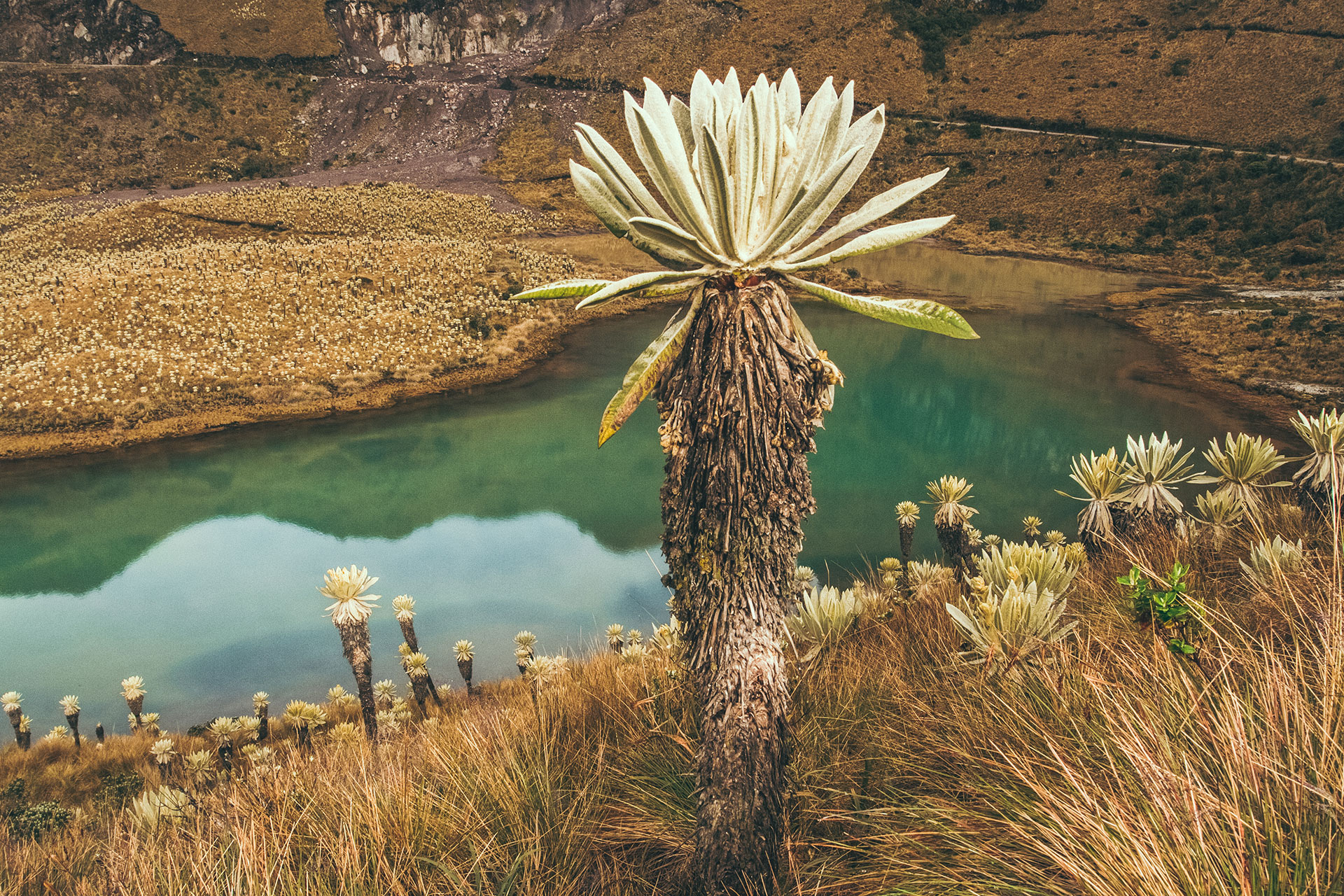
EL ÁNGEL ECOLOGICAL RESERVE
In Carchi,has one of the most spectacular moorlands in the country. Its frailejones, lagoons, forests of Polylepis and unique biodiversity offer an extraordinary natural experience. It is an uncrowded site of high scenic value.

CUICOCHA LAGOON
In Imbabura,located in a volcanic crater, it allows scenic hikes, boat rides and sightings of Andean flora and fauna., withstriking natural scenery.
San Francisco Church
PHOTO: Ministry of Tourism of Ecuador
Middle of the World
PHOTO: Ministry of Tourism of Ecuador
Chocó Andino Biosphere Reserve Area
PHOTO: Ministry of Tourism of Ecuador
Mindo Adventure
PHOTOGRAPH: Arturo Mier - Ministry of Tourism of Ecuador
Yahuarcocha International Race Track
PHOTO: Ministry of Tourism of Ecuador
Cotacachi Cayapas National Park
PHOTO: Ministry of Tourism of Ecuador
The ancestral feast of Hatun Puncha, Cotacachi
PHOTO: Ministry of Tourism of Ecuador
Plaza de los ponchos detail
PHOTOGRAPH: Alex Boas - Ministry of Tourism of Ecuador
El Angel Ecological Reserve
PHOTO: Ministry of Tourism of Ecuador
Voladero Lagoons in El Angel Ecological Reserve
PHOTOGRAPH: Arturo Mier - Ministry of Tourism of Ecuador
Potato Locro
PHOTOGRAPH: Arturo Mier - Ministry of Tourism of Ecuador
Hornado Pastuso, Carchi
PHOTOGRAPH: Arturo Mier - Ministry of Tourism of Ecuador
Fritada
PHOTOGRAPH: Arturo Mier - Ministry of Tourism of Ecuador
Roasted guinea pig, Carchi
PHOTO: Ministry of Tourism of Ecuador
Figs with cheese
PHOTO: Ministry of Tourism of Ecuador
Syrup and nogadas
PHOTOGRAPH: Arturo Mier - Ministry of Tourism of Ecuador
The best adventure
 Spanish
  English
  Arabic
  Chinese