A path where culture is felt, shared and celebrated.
Explore the Living Culture Trail of the South, a journey through the provinces of Cañar, Azuay y Loja that connects ancestral knowledge, Andean nature and people who keep their traditions alive. In Cañar, discover the Cañari and Inca vestiges in Ingapirca and Cojitambo and participates in community festivities and experiences at Sisid Annex. In Azuay, immerse yourself in the living history of Cuenca, travel through Gualaceo.y Chordeleg, and experience the art of weaving, jewelry and toquilla straw hats. In Loja, visit its historical center, the Sanctuary of El Cisne, communities saraguros and unique nature reserves such as the Podocarpus and the Petrified Forest of Puyango. A road where culture is feels, is shared and celebrated.
Temperature
Oscillates between 5° and 5°.C and 24°C
Weather
● Cold temperate
● Altitude between 360 and 4,450 m.a.s.l.
● Dry season:May–toptiembre, high visitor season
● Rainy season:October –April, middle season – drop in visitors
How to get there?
Find the best route to start your experience
By Air
Access the Camino de la Cultura Viva del Sur by air through the airports in Azuay and Loja. In Azuay, it lands at the Mariscal Lamar Airport, located in the city of Cuenca, with daily flights from Quito and Guayaquil. In Loja, arrive at Catamayo City Airport, which connects regularly with the city of Quito.
Once you land, continue your trip by land, discovering the tourist attractions that make this route an unforgettable experience.
Overland
This road has land connectivity through the Troncal de la Sierra E-35, part of the Pan-American Highway in Ecuador. This road crosses the provinces of Cañar, Azuay and Loja, allowing you to enjoy their tourist destinations.
Terrestrial Tour
For the tour you can choose to take a bus from the main terminals, rent a private vehicle or hire organized tours.If you decide to take public transportation, remember to check the schedules to better plan your experience.
For the tour you can choose to take a bus from the main terminals, rent a private vehicle or hire organized tours.If you decide to take public transportation, remember to check the schedules to better plan your experience.
Azogues to Cuenca (35 km / 45 min)
The tour starts in the city of Azogues, the capital of the province of Cañar, By private vehicle you can take the E-35 road or also called Panamerican Highway. You can also take a bus from the Terminal Terrestre. “Segundo Serrano” of Azogues to the city of Watershed, capital of the province of Azuay.
In Azogues you know:
● Imposing Sanctuary of the Virgin of the Cloud, also known as the Church of San Francisco, a center of devotion and monumental architecture, located at the top of El Calvario hill.
● Edgar Palomeque Vivar Ethnographic and Archaeological Museum, which preserves valuable Cañari and Inca artifacts.
● Sisid Anejo Parish, near Azogues, be amazed by the second oldest church in Ecuador, founded in 1603 and loaded with living history.
● Community-based tourism in Sisid Anejo, near Azogues, where you will participate in ancestral weaving and pottery workshops, communal minka and agricultural activities with local families.
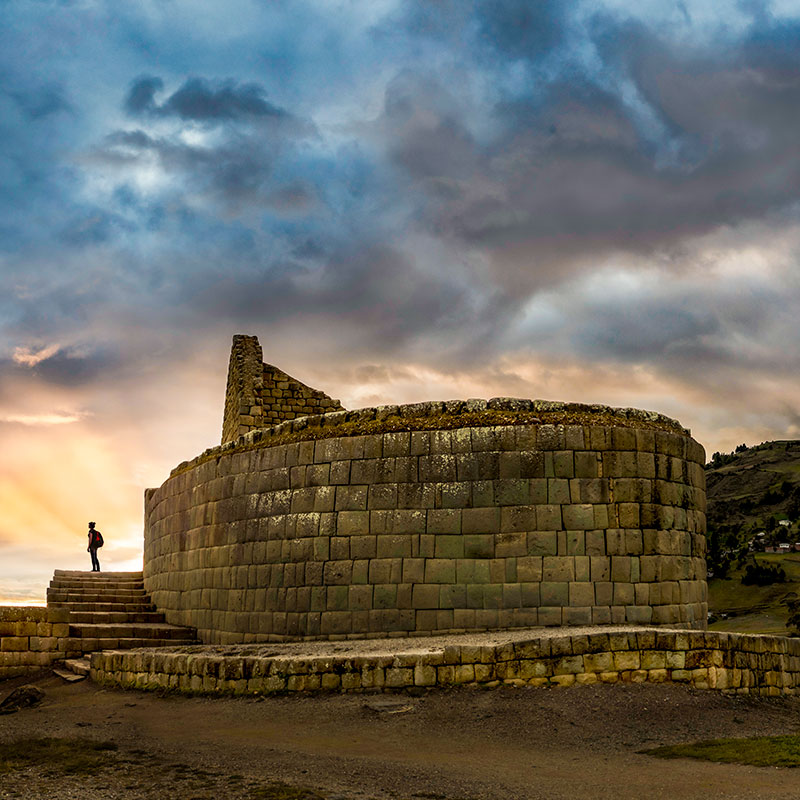
● Ingapirca Archaeological Complex, near Azogues, the most important Inca site in Ecuador, this architectural complex combines Cañari and Inca structures, highlighting the imposing Temple of the Sun, built with precision and astronomical alignment. It also has a site museum, local guides and natural viewpoints.
● Complex archaeological cañari-inca with walls, terraces and roads of the QhapaqÑan. The hill Cojitambo offers climbing, hiking and a 360° viewpoint over Azogues, Déleg, Biblián and part of Cuenca.
● The Culebrillas Lagoon, located in the Cañar canton within the Sangay National Park in the southern zone, is surrounded by Andean moorlands. In this area there is the best preserved section of the Qhapaq Ñan of Ecuador, in its 18km from Culebrillas to Ingapirca.
● Inti Raymi Festival, in June, the most representative festivity, with ancestral rituals, traditional costumes and music, honoring the sun at the winter solstice and harvest season.
● Gastronomy that you will love such as cascaritas, crispy pork skins seasoned with salt and chili. Chiviles, corn flour and cheese snacks wrapped in huicundo leaves. Finally, kawsayapi, a drink made with seasonal fruits, medicinal herbs, white corn flour and sambo.
● Handicrafts, ponchos, sashes or chumbis in sheep's wool with symbolic designs, embroidery and unique dyes. Local saddlery and carpentry create tools and accessories with an agricultural tradition, while pottery, inspired by pre-Columbian pieces, revives ancient techniques.
In Cuenca let yourself be surprised by:
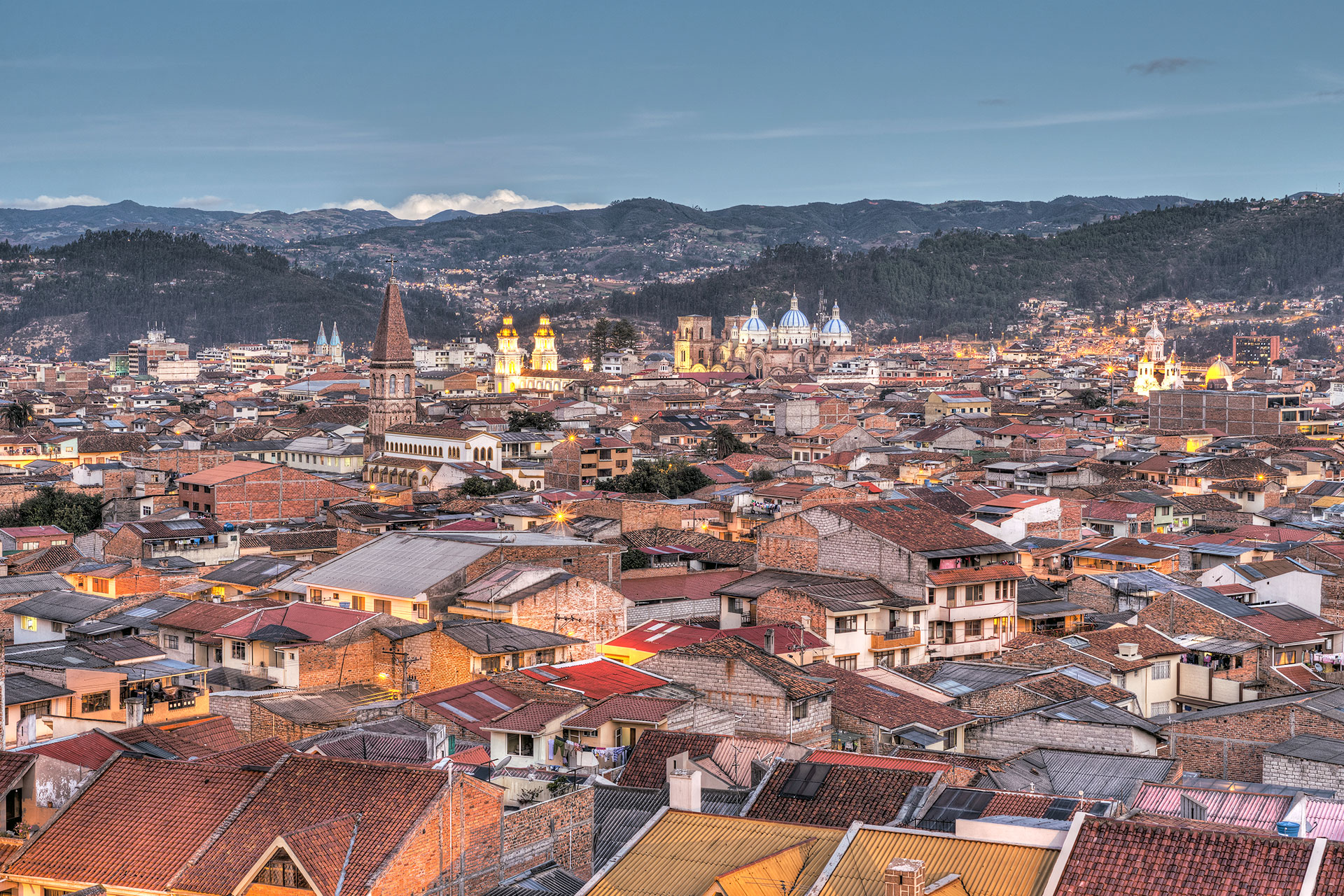
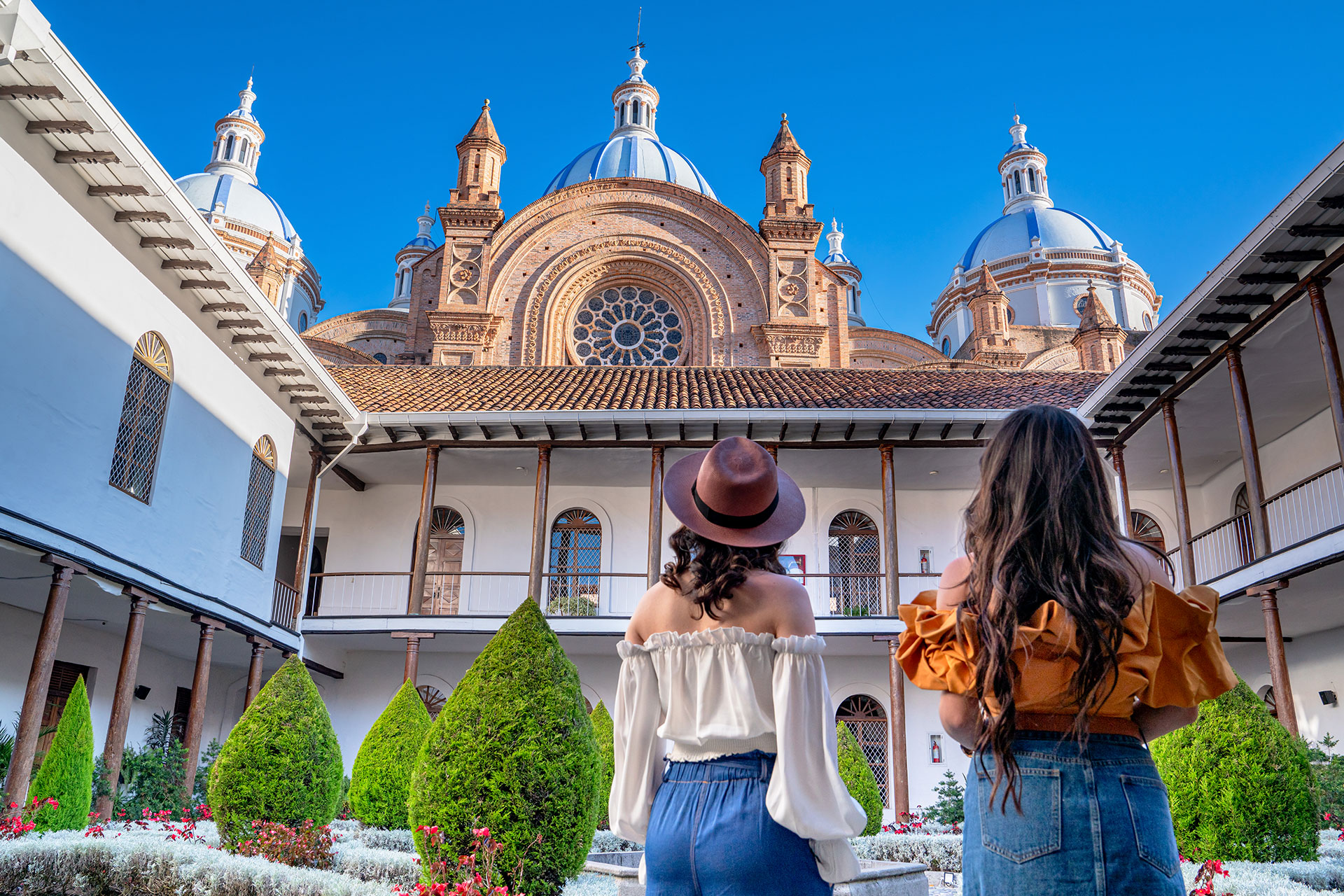
● City recognized as a World Heritage Site by UNESCO, in its historic center marvel at the imposing New Cathedral and the charming Old Cathedral, icons of its colonial heritage.
● Museo de las Conceptas to learn about colonial convent life and the Centro Interamericano de Artesanías y Artes Populares (CIDAP), to learn about art, design, techniques and craft traditions.
● La Calle Larga with restaurants, museums, galleries, handicrafts and the Broken Bridge, a historic symbol of architectural resilience.
● Pumapungo Museum and Archaeological Park, inside, tour rooms with Cañari and Inca artifacts, ancestral costumes, ceramics and religious art. Outside, explore archaeological remains such as temples, canals and Inca terraces in a stunning natural setting. Walk through gardens with more than 300 species of native plants and visit an Andean bird rescue center.
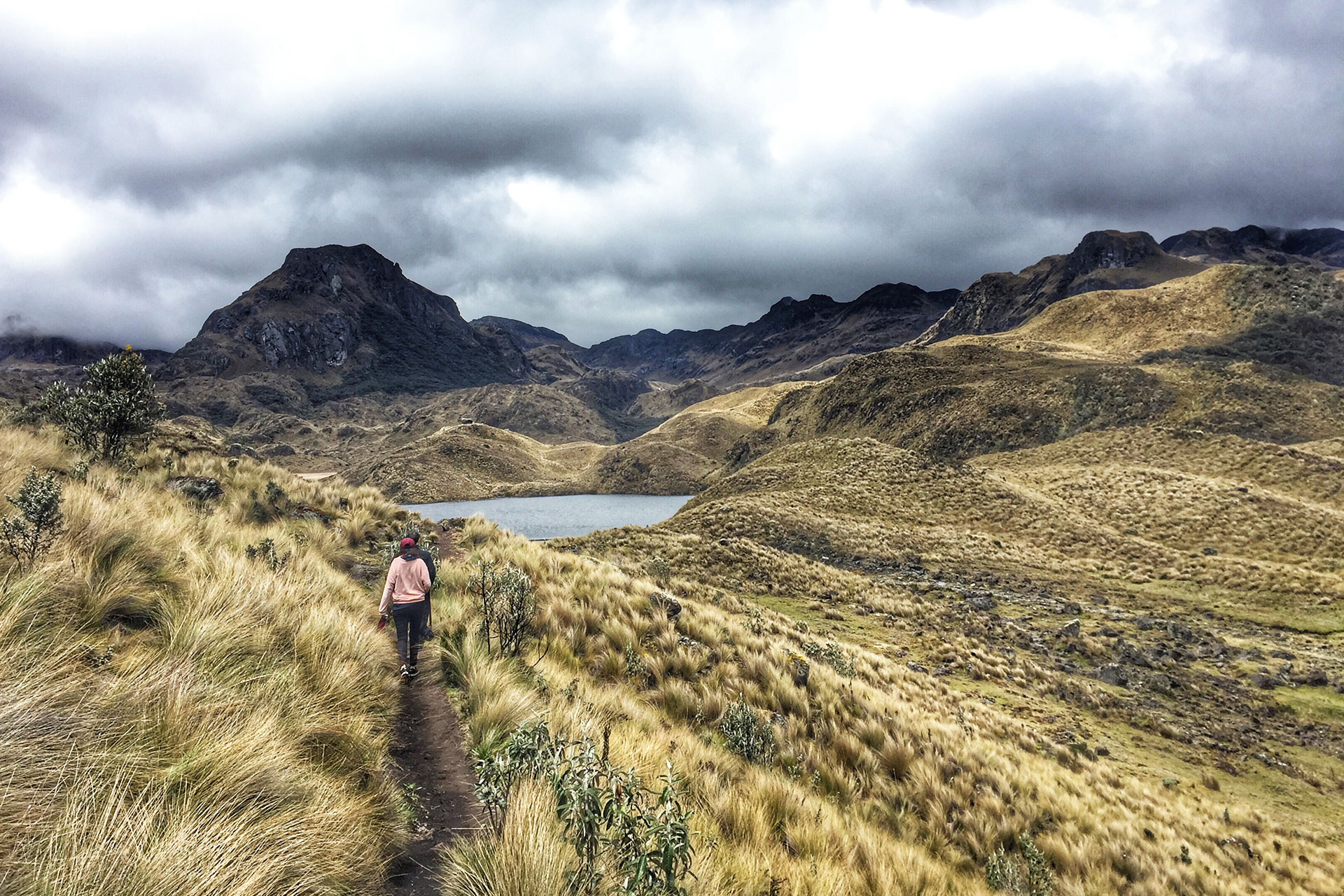
● El Cajas National Park, very close to Cuenca, offers an impressive Andean landscape with more than 200 lakes, polylepis forests and moorlands full of life. Ideal for gentle hikes and photography.
● Corpus Christi Feast, June, offers altars, pyrotechnics and typical sweets, celebrating the presence of Christ in the Eucharist.
● Ehe process of the toquilla straw hat (Intangible Cultural Heritage of Humanity - UNESCO), from fine weaving to finishing.
● Macana, traditional andean blanket, elaborated in Gualaceo, participates attraditional workshops where expert weavers create colorful textiles using ancestral ikat and backstrap loom techniques.
● Creative city, Chordeleg, near Cuenca, destination is famous for its silver filigree goldsmithing, where master jewelers transform fine threads into elegant pieces of exceptional quality.
Otherworldly gastronomy such as mote pata, a thick soup of cooked corn, peanuts, pork and aromatic herbs. Mote pillo is prepared with corn, egg, onion and achiote, while mote sucio is enriched corn with pork fat. Tamales and humitas, made with tender corn, cheese or meat, and wrapped in achira leaves.
Cuenca to Loja (212 km / 4 h)
The tour continues from the city of Cuenca, capital city of the province of Azuay, by private vehicle you can take the E-35 road or also called Panamerican Highway. You can also take a bus from the Terminal Terrestre de Watershed to the city of Loja, capital of the province of Loja.
In Loja marvel at:
● Historic center, where churches such as La Catedral and San Sebastián, along with the Bolívar Theater, reflect its colonial and republican architectural heritage.
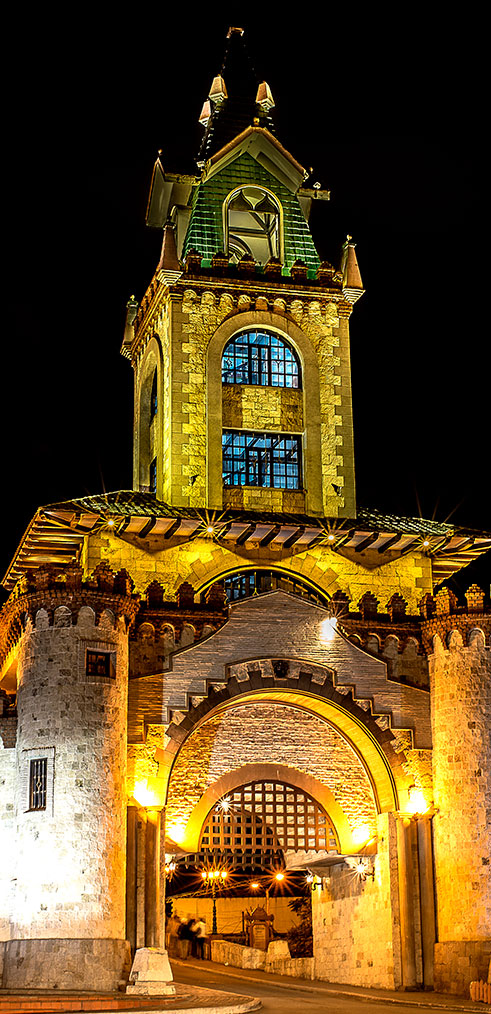
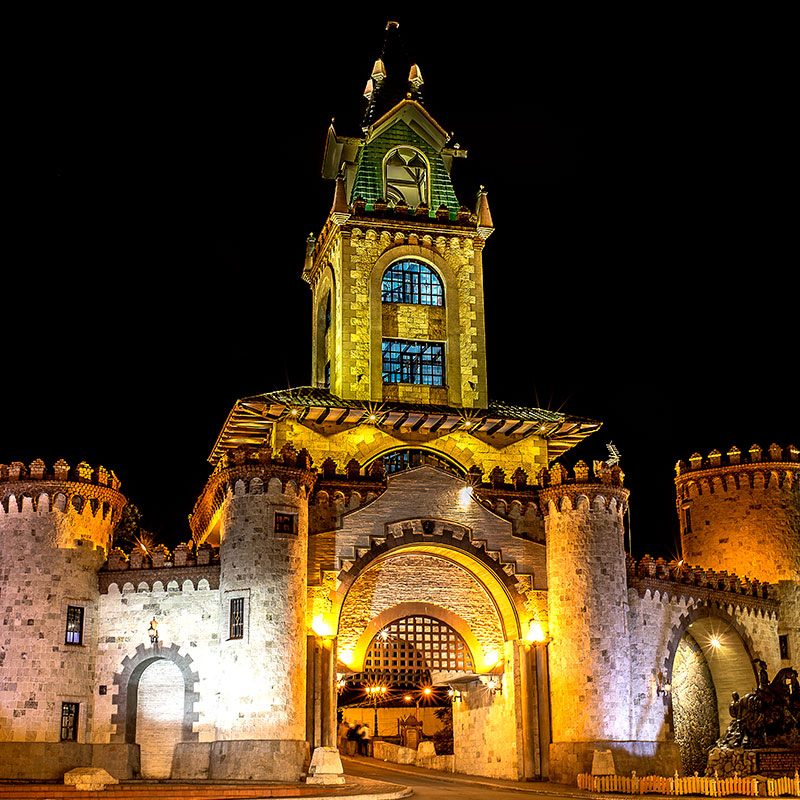
● Puerta de la Ciudad de Loja, replica of the royal coat of arms of Loja, architectural icon with museum, panoramic viewpoint, local art gallery, cafeteria and souvenir store.
● Museums full of culture such as the Museum of Lojana Culture that exhibits tools and artifacts of the aboriginal cultures, photographs of the creation of the Republic of the Lojana, the Ecuador. In addition, the Museum of Music to learn about his artistic legacy.
● Picturesque Lourdes Street, with its mansions converted into cafes, galleries and stores full of life.
● Sanctuary of the Virgin of El Cisne, near the city of Loja, is one of the main centers of devotion in Ecuador. Every year, thousands of pilgrims participate in the pilgrimage that travels more than 74 km from the Basilica in El Cisne to the city of Loja, accompanying the image of the Virgin.
● Vilcabamba, near the city de Loja, city known as the “Valley of Longevity,” isoffers you a unique experience among mountains and fresh air. Here you can walk along natural trails, visit waterfalls such as San Pedro, and discover the secret of youth in its waters and fields.
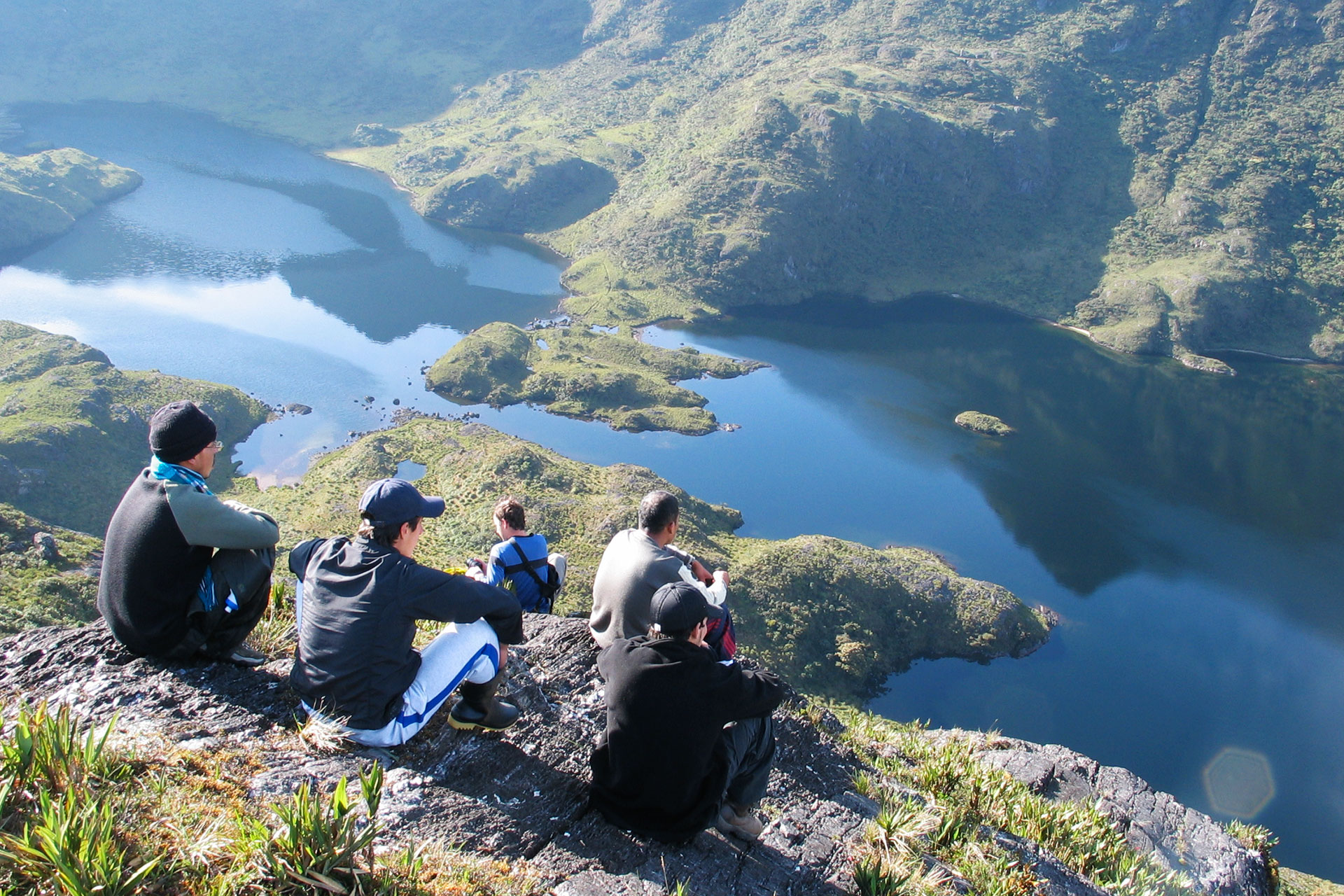
● Podocarpus National Park, home to a great biodiversity, with more than 500 species of birds and up to 4,000 species of plants, including the Compadre Lagoons, part of a system of more than 50 lagoon bodies of international importance, declared a Ramsar Site.
● Puyango Petrified Forest preserves fossilized trees more than 100 million years ago, up to 15 meters long and 2 meters in diameter, ancient ferns and marine fossils, in an environment that was seabed in the Cretaceous era.
● Saraguro Rikuy Community Tourism Network, with the living culture of the Kichwa Saraguro people. Participate in ancestral rituals, learn loom weaving techniques, share with host families and tour Andean landscapes such as Cerro Puglla or the waterfalls of the Virgen de Agua Santa.
● Pilgrimage of the Virgin of the Swan, in August, summons thousands of faithful in a unique manifestation of faith in the country.
● International Festival of Living Arts, in November, fills the city with world-class theater, dance and music.
● Inti Raymi Festival, in June, the most representative festival, with ancestral rituals, traditional costumes and music, honoring the Sun in the winter solstice and harvest season.
● Traditional gastronomy such as repe lojano, declared “gastronomic insignia of southern Ecuador”, a creamy soup made with green plantain, milk, cheese and onion. Cecina lojana, salted pork, grilled and served with yucca, rice and salad. Tamal lojano, prepared with corn dough and meat filling wrapped in achira leaf. And don't miss the cuyada chicken, a thick and tasty broth with peanuts, achiote and herbs, prepared with exclusive family secrets, only shared from generation to generation.
Coffee of origin, recognized with Denomination of Origin for its exceptional quality, stands out for its floral aroma, citric acidity and smooth body. Visit coffee farms, learn about the whole process from bean to cup, participate in tastings and share with local producers.
Road Highlights
INGAPIRCA ARCHAEOLOGICAL COMPLEX
In Cañar, sSurprise with its Temple of the Sun, Cañari and Inca architecture, site museum, local guides and panoramic views., the ideal place to learn about pre-Columbian history.
HISTORIC CENTER OF CUENCA
In Azuay, explore a declared jewel TheCultural Heritage of Humanity, rWalk through its cathedrals, colonial streets, museums and squares.
EL CAJAS NATIONAL PARK
In Azuay, rnature reserve with more than 200 lagoons, polylepis forests and trails in Andean moorlands, perfect for hiking, photography and connection with high mountain landscapes.
PODOCARPUS NATIONAL PARK
In Loja, its biodiversity is home to more than 500 species of birds and lagoons declared a Ramsar Site. Ideal for trekking, bird watching and high level ecological tourism.
Azogues Park
PHOTO: Ministry of Tourism of Ecuador
Sisid Annex
PHOTO: Ministry of Tourism of Ecuador
Inti Raymi
PHOTO: Ministry of Tourism of Ecuador
Catedral, Azuay Cuenca
PHOTO: Ministry of Tourism of Ecuador
Cajas National Park, Las tres Lagunas, Azuay
PHOTO: Ministry of Tourism of Ecuador
Cajas National Park, Las tres Lagunas, Azuay
PHOTO: Ministry of Tourism of Ecuador
Podocarpus National Park Reserve, Compadre Lagoons




 Skip to content
 Spanish
  English