 Skip to content


Discover the way
of the Colombian Caribbean
Combines nature, history and living culture
Explore the Colombian Caribbean Trail through the departments of Cesar, The Guajira y Magdalena. In Cesar, experience vallenato in Valledupar, tour the historic center and visit the Accordion and Composer museums. In La Guajira, discover Cabo de la Vela, Punta Gallinas, the Park of the National Natural Macuira and culture Wayúu in Uribia. In Magdalena, visit Santa Marta, the Quinta de San Pedro Alejandrino, the Tayrona Park, Ciénaga and the Lost City. Enjoy a Caribbean gastronomy full of flavor and ancestral traditions. Take with you handicrafts such as backpacks and backpacks. arhuacas y wayúu. This route combines nature, history and living culture in the most authentic Caribbean.
Temperature
It ranges between 22°C and 32°C.
Weather
● Warm dry and warm humid
● Altitude between 0 and 1,200 m.a.s.l.
● Dry season: December to March and July to August, high visitor season.
● Rainy season: April to June and October to November, average visitor season.
How to get there?
Find the best route to start your experience
By Air
Access this route through any of its three departments, all with active airports and frequent flights connecting with Bogotá and other cities in the country. In Cesar, land at the Alfonso López Pumarejo airport, located in the city of Valledupar. In Magdalena, it arrives at the Simón Bolívar International Airport in the city of Santa Marta, with domestic and international connections. And in La Guajira, the Almirante Padilla airport in the city of Riohacha, welcomes you with daily domestic flights.
Once you land, continue your journey by land, exploring the landscapes and attractions of the Colombian Caribbean Road.
Overland
This road has land connectivity through main roads such as National Route 90 or known as Troncal del Caribe, which runs through the Caribbean region and connects the departments of La Guajira, Magdalena and Cesar, allowing you to enjoy its tourist attractions.
Terrestrial Tour
For the tour you can choose to take a bus from the main terminals, rent a private vehicle or hire organized tours. Remember that if you use public transportation you must consult schedules and routes to improve your experience.

Ciénaga
Riohacha
Manaure
Uribia

Pueblo Bello
Terrestrial Tour
For the tour you can choose to take a bus from the main terminals, rent a private vehicle or hire organized tours. Remember that if you use public transportation you must consult schedules and routes to improve your experience.
Santa Marta - Ciénaga - Santa Marta (35 km / 45 min one way)
The journey start by visiting Ciénaga, department of Magdalena, en a private vehicle you can take the Ruta National 90 or take a bus at the Terminal Santa Marta, the capital of the department, for Ciénaga and vice versa.
In Ciénaga you know:
● The Historical center with republican architecture, host the San Juan Bautista Church, an impressive neoclassical temple that stands in the heart of the city center. and the legendary Templete, ícone of the city and emblem of the site, declared Cultural Heritage of Colombia.
● The magical realism that inspired Gabriel García Márquez, Colombian writer famous for his novel One Hundred Years of Solitude. Here, the streets, its people, the banana production y popular legends gave life to Macondo, the fictitious town of his most renowned work, where history and fantasy merge in an authentic experience.
● El Festival of the Cayman Cienaguero is performed in January, honors the legend of Tomasita with the Caiman dance Cienaguero, parades, traditional music and the presentation of the Caimán de Oro Award.
● Ciénaga Carnival, held at February, brings together colorful parades, comparsas, Caribbean music, traditional costumes and competitions that exalt your identity.
● Frito Festival, is held every February, pays homage to the gastronomic tradition of the region with a variety of typical fried foods, music and dances. Among the fried foods that can be tasted are patacones, egg arepas, empanadas, carimanolas, among others.
In Santa Marta let yourself be surprised by:
● The Historical center of the oldest city in Colombia, where the Quinta de San Pedro Alejandrino is located, the last resting place of Simón Bolívar. Ehe Tairona Gold Museum, which exhibits the history and ancestral art of the indigenous peoples of the region. And don't miss its imposing Cathedral and the Episcopal Palace, the only one authorized to host the Pope in case of a visit.
● The El Rodadero Beach, very close to Santa Marta, is an ideal destination for those seeking sun, water sports and nightlife.
● The Beaches in the Tayrona National Natural Park, such as Cabo San Juan del Guía, which stands out for its landscape between jungle and sea, perfect for camping and hiking. Playa La Piscina, has calm waters ideal for swimming and snorkeling. Beach Language offers tranquility, nature walks and access to less crowded beaches, ideal for rest and contemplation.
● Pueblito Chairama, in the National Park Natural Tayrona, is a 1 to 2 hour hike from beaches such as Cabo San Juan and allows exploration of terraces, ceremonial trails and stone dwellings..
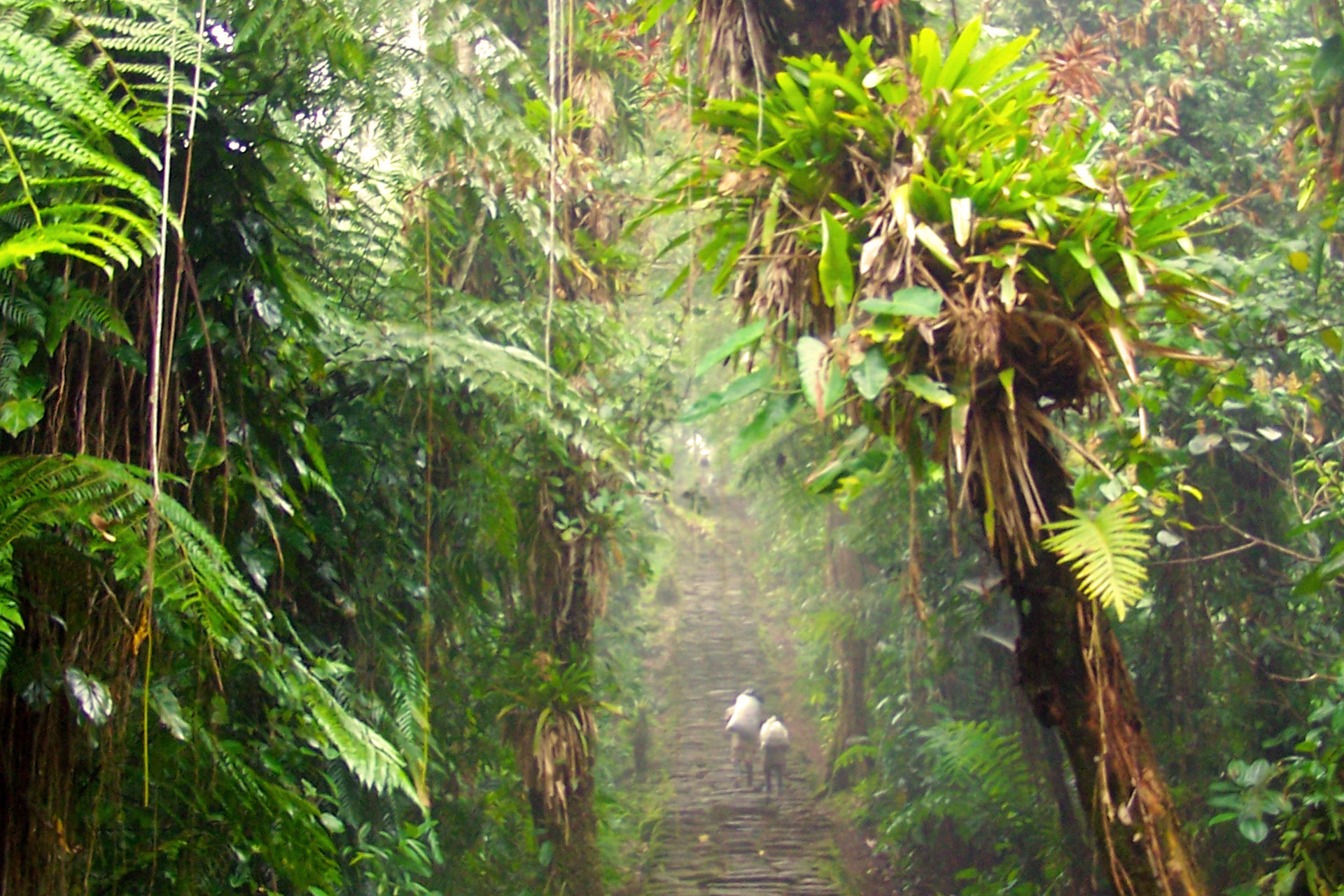
● Lost City or Teyuna in the Sierra Nevada de Santa Marta, The site is an ancient Tairona ceremonial center hidden in the Sierra Nevada de Santa Marta. Access after a trekking 4 to 6 days in the jungle, rivers and sacred roads, where you will learn about the cosmovision of the Kogui and wiwa.
● The Route of Aviturismo of the Colombian Caribbean, which will captivate you in the Tayrona and Minca National Natural Park, where you can see the Coludo. In El Dorado Natural Reserve, you can observe the Santa Marta Parakeet.. End your tour at the Cuchilla de San Lorenzo, with incredible panoramic views and birds such as the Santa Marta Tanager.
● The Carnival of Santa Marta is held in February, combines indigenous, African and European heritages in colorful parades that highlight comparsas, traditional costumes, Caribbean music, folkloric dances and popular reigns that fill the city with joy and tradition.
● Ta Fiesta del Mar, is carried out in July and honors the people's connection to the sea, source of life and sustenance, through water sports, concerts and symbolic rituals.
● The Vallenato Festival Sea of Accordions, is performed in October and exciting events take place Accordion competitions in professional and amateur categories, in addition to the singer competition in open category..
● Gastronomy that you will love as the cayeye, is a mashed green guineo with coastal cheese is a typical Caribbean breakfast. The sancocho de fish is a hearty fish soup with yucca and vegetables. The egg arepa, fried and fill is a classic street food. And the fried fish with patacones or fried green plantain, connects you with the traditions of the region..
● Backpacks arhuacas, originarias of the indigenous people Arhuaco, wovens by hand countsn historys, with designs that reflect the cosmovision of the Sierra Nevada.
● Vueltiao Hat, symbol of the Colombian Caribbean identity is elaborated with sugarcane. arrow and hand woven, has its origin in the Zenú indigenous community.
Santa Marta - Riohacha (172 km / 3 h)
The route continues from Santa Marta, to Riohacha, capital of the department of La Guajira. En private vehicle you can take the National Route 90 or take a bus in the Santa Marta Transportation Terminal. Remember to check schedules and routes to better plan your experience. You can make stops before arriving to Riohacha to visit places along the way. The route offers views by route from the Sierra Nevada de Santa Marta, andl sea caribbeanor y fishing villages.
Before arriving in Riohacha:
● Approximately 109 km after leaving Santa Seata, turn off to the left to go to Dibulla, a site from beachThe Jer River mouth is one of the most beautiful and attractive places in the world.ez in the mar. It is an ideal place for rest and relaxation.
● After 165 km from Santa Marta, take a detour through Camarones, to visit ehe Los Flamencos Flamingo Flamingo Sanctuary is a paradise for bird lovers. Here you can observe more than 170 species, including pink flamingos and the Guajiro Cardinal, in their natural habitat.
At Riohacha enjoy:
● The Beach Mayapo, near Riohacha, enjoy kitesurfing, windsurfing and sailing, or go for a bike ride along the coast.
● Riohacha Carnival, in February, fills the city with comparsas, costumes and Caribbean rhythms.
● Patronal feast of the Virgen de los Remedios in February celebrates the devotion to the patron saint of Riohacha with processions, solemn masses and folkloric parades.
● Gastronomy that will captivate you with the friche, goat meat and rice. Rice with shrimp, with local spices. Fried fish with yucca combines freshness and softness. The goat stewed in coconut milk is a feast.
● Backpacks Wayúu are authentic handcrafted pieces hand-woven by the women of the community, with geometric designs and vibrant colors that reflect the worldview and traditions of this indigenous people. It is a souvenir with a piece of tradition.
● Tas backpacks Wiwa, woven with fique and cotton by the community. Wiwa of the Sierra Nevada, stand out for their symbolic designs, representing the connection with nature.
Riohacha - Manaure (75 km/ 1 h 30 min)
The journey continues from Riohacha, capital of the department of Ta Guajira, in a private vehicle you can take the National Route 90 or you can take a bus at the Terminal de Transportes de Riohacha to Manaure, Department of La Guajira. The route offers views of the sea and arid landscapes that blend with the intense blue of the Caribbean Sea.
In Manaure enjoy:
● The Manaure Salt Flats, which offer a surrealistic landscape with mountains of salt piled up, lisitors can learn about the artisanal salt extraction process carried out by the community. Wayúu.
Manaure - Uribia, La Guajira (22 km/ 30 min)
The route continues from Manaure to Uribia. En a private vehicle you can take the Manaure - Uribia road or you can take a bus from the main square of Manaure. When you go into the La Guajira the recommendation is to hire tours with vehicles. 4×4 and drivers who know the way to get there to the places in the northern end of La Guajira.
In Uribia marvel with:
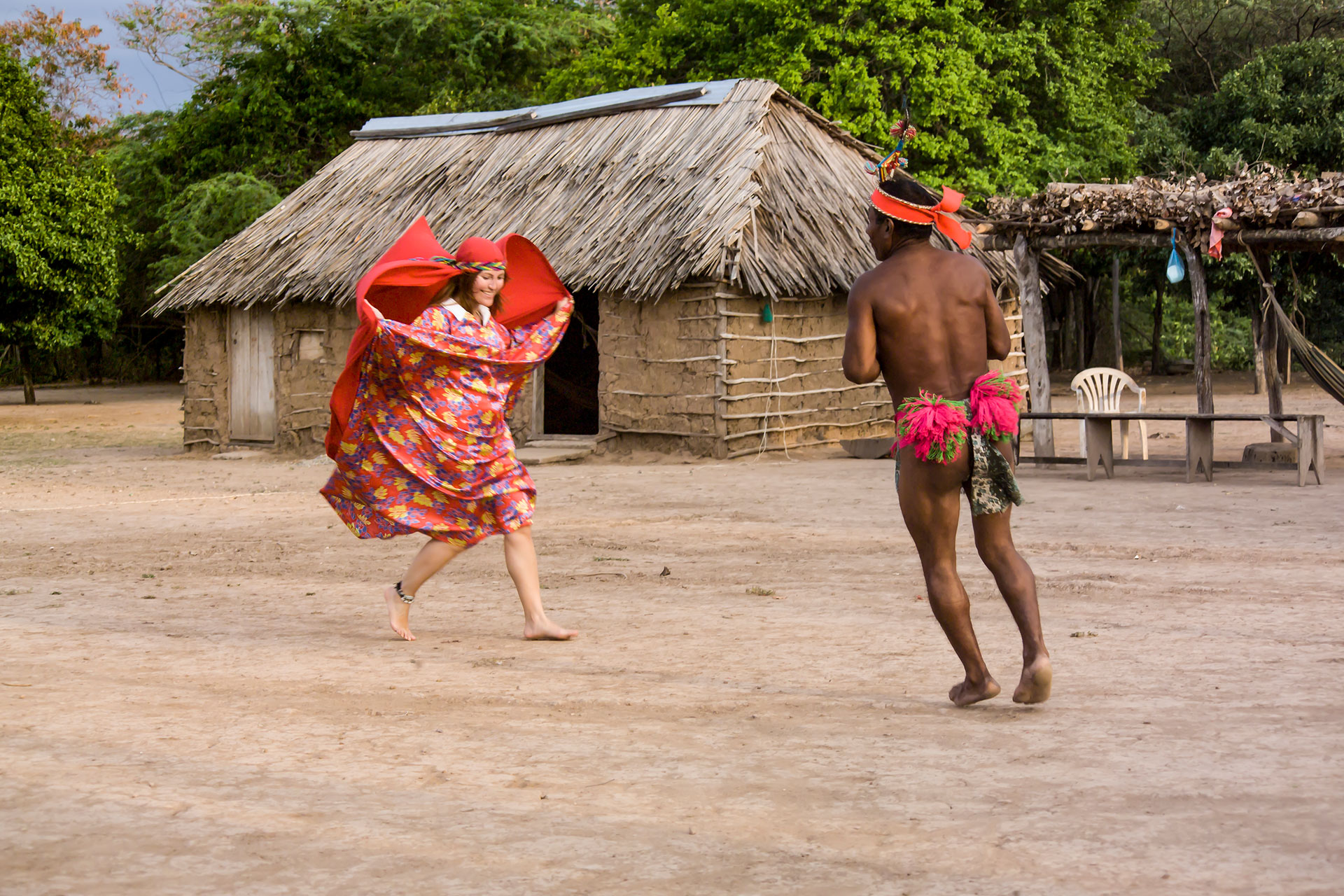
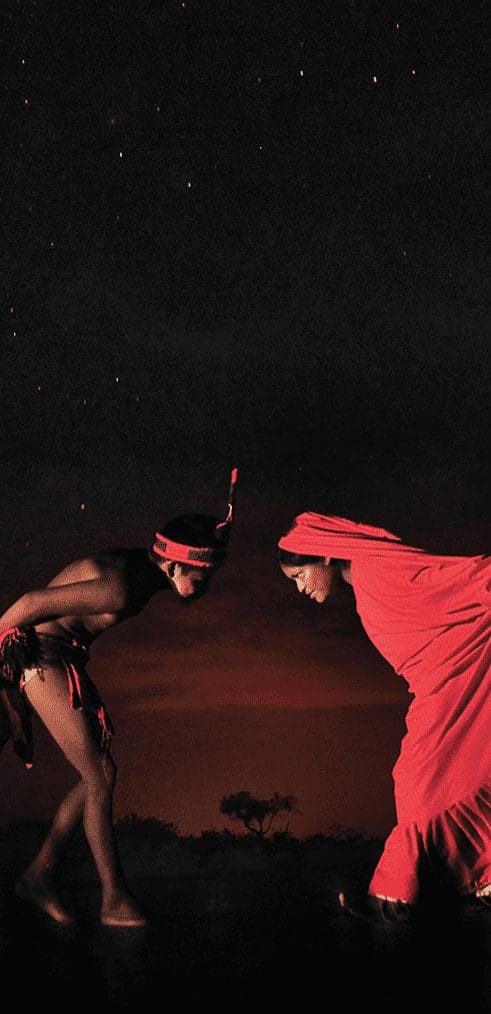
● The indigenous capital of Colombia, you will be able to know the culture Wayúu that expresses itself in its own language wayuunaiki, The art of the Palabrero, weavings, backpacks, stories and rituals that preserve history, spirituality and connection with nature.
● The Cabo de la Vela captivates you with its calm beaches, warm waters and perfect environment for relaxing and kitesurfing. Enjoy panoramic views from Pilón de Azúcar and relax on beaches like Ojo de Agua and Playa Dorada.
● Punta Gallinas offers dunes of Taroa for hiking, 4×4 tours or sand surfing, providing a unique experience of desert and sea that will connect you with nature at its best.
● National Natural Park Macuira, you can enjoy hiking, observe fauna and flora, and immerse yourself in the traditions of the people. Wayúu.
● Culture Festival Wayúu, in June, celebrates the living heritage of this indigenous people with dances, weavings and ancestral knowledge. Hand-woven backpacks Wayúu y Wiwa.
Uribia -Valledupar (210 km / 3 h 45 min)
The journey continues from Uribia to Valledupar, department of the Cesar. En private vehicle you can take the Transversal of Buena Vista and connect with National Route 88 and 80 until you reach your destination. By public transportation you can take a cab to Maicao and from there take a bus in the Maicao Transportation Terminal to Valledupar.
In Valledupar you can't miss:
● The Historic Center keeps the memory of centuries in its colonial streets with the emblematic Plaza Alfonso López and the majestic Catedral del Rosario.
● Museums such as the Accordion Museum, which chronicles the historical evolution of the vallenato accordion; the Composer's Museum, which creatively celebrates the history of vallenato composers; and the Cocha Molina Museum, which exhibits the career, awards and legacy of this exceptional musician.
● Capital of Vallenato, this genre recognized as A World Heritage Site, it fuses Colombian, African and European roots. Every April the Festival de la Leyenda Vallenata is held in the park that bears the same name. name, an unforgettable party with accordion competitions, piquerías and parades..
● The Route of Aviturismo of the Colombian Caribbean in the Serranía del Perijá with mountain trails, cloud forests that are home to a variety of bird species such as the Metalura of Perijá. Los Besotes Ecopark offers tours among cactus, guayacanes and viewpoints where with luck you will be able to see the Paujil de Pico Azul. Ta Reserve ProAves Chamicero de Perijá, a crucial area for the conservation of endemic species such as the elusive Perijá Tapaculo.
● Gastronomy full of tradition and Caribbean flavor as lto meat pangá, cooked in its own juice with yucca and plantain, is a regional classic. The three-phase sancocho, with chicken, beef and pork, enlivens meetings and parties. The roasted goat stands out for its seasoning and slow fire. Other dishes, such as dulce de leche and viuda de pescado, reflect the culinary essence of Cesar.
● The Sweet Vallenato Fair in Valledupar offers more than 100 stands with traditional delicacies such as coconut, cut milk, among many others that can be tasted in one place.
● Backpacks arhuacas, woven by the community arhuaca with natural yarns, combine ancestral tradition, symbolism and vibrant colors, being a unique cultural souvenir of the Sierra Nevada.
Valledupar - Pueblo Bello (56 km / 1 h 10 min)
The route continues from Valledupar to Pueblo Bello, department of the Cesar. En a private vehicle you can take the National Route 80 and connect with the via a Theueblo Bello. You can also take a bus from the Transportation Terminal of Valledupar . The route offers paisages from the majestic Sierra Nevada that captivate.
In Pueblo Bello visit:
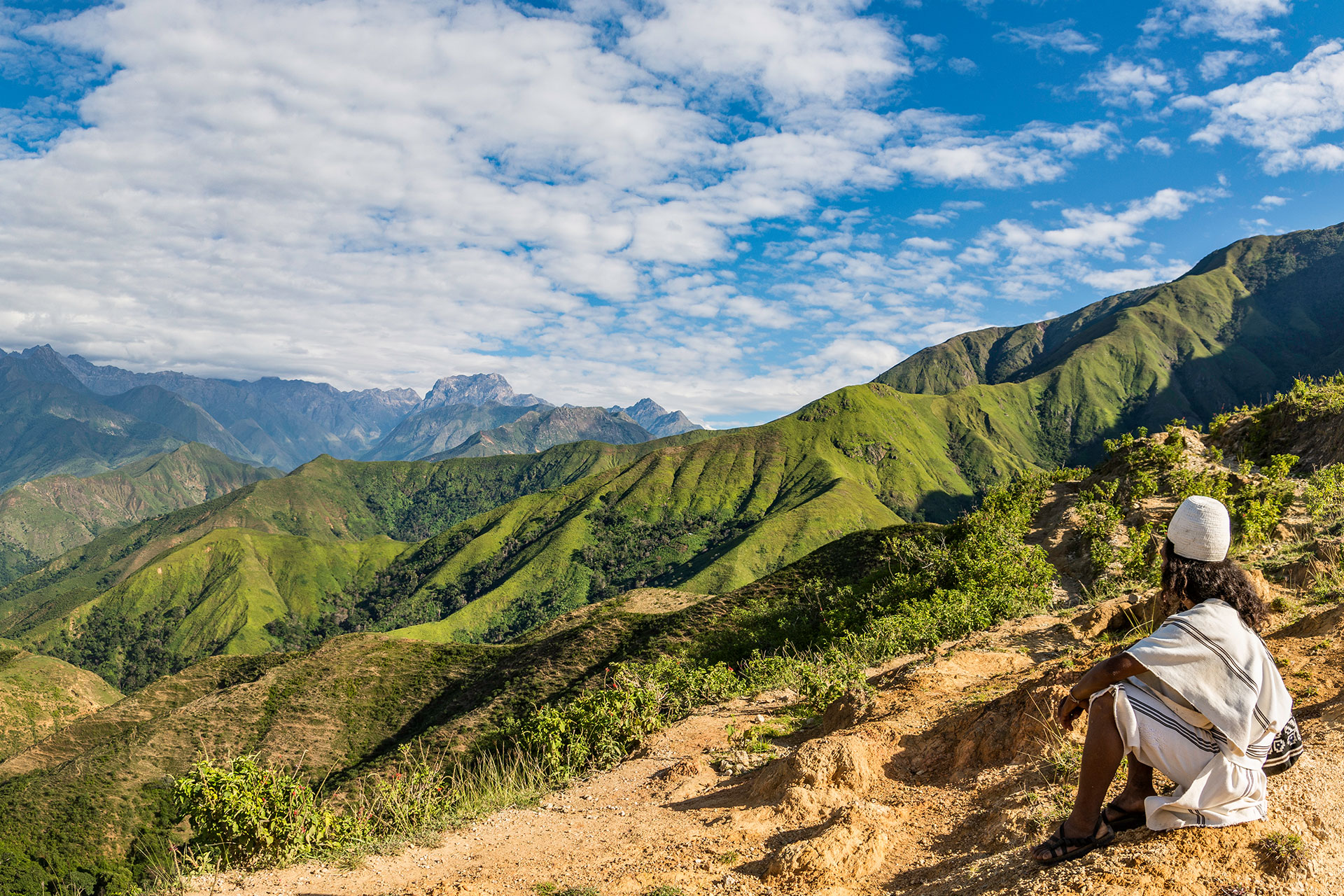
● Culture arhuaca, one of the most authentic of the Sierra Nevada. They preserve their language ika, They produce traditional weavings and maintain a deep connection with nature, which is accessible at Nabusímake with certified guides.
● Backpacks arhuacas, woven by the community arhuaca with natural yarns, combine ancestral tradition, symbolism and vibrant colors, being a unique cultural souvenir of the Sierra Nevada.
Road Highlights

TAYRONA NATIONAL NATURAL PARK
In Magdalena, invites you to explore beaches such as Cape San Juan del Guía, La Piscina and Neguaje, surrounded by jungle, perfect for relaxation, snorkeling and hiking..
SIERRA NEVADA DE SANTA MARTA
In Magdalena, is a former center ceremonial tairona, se accesses through un trekking guided that you leads through jungle, rivers and sacred trails, getting to know the Kogui culture and the wiwa.

CULTURAL FESTIVALS
Colombia is music, rhythm and tradition. Travel a cultural path full of richness with the Festival de la Cultura. Wayúu in Uribia, The Festival dthe Cayman Cienaguero in Ciénaga and the Vallenato Festival in Valledupar, this musical rhythm that combines cultures is UNESCO World Heritage Site.
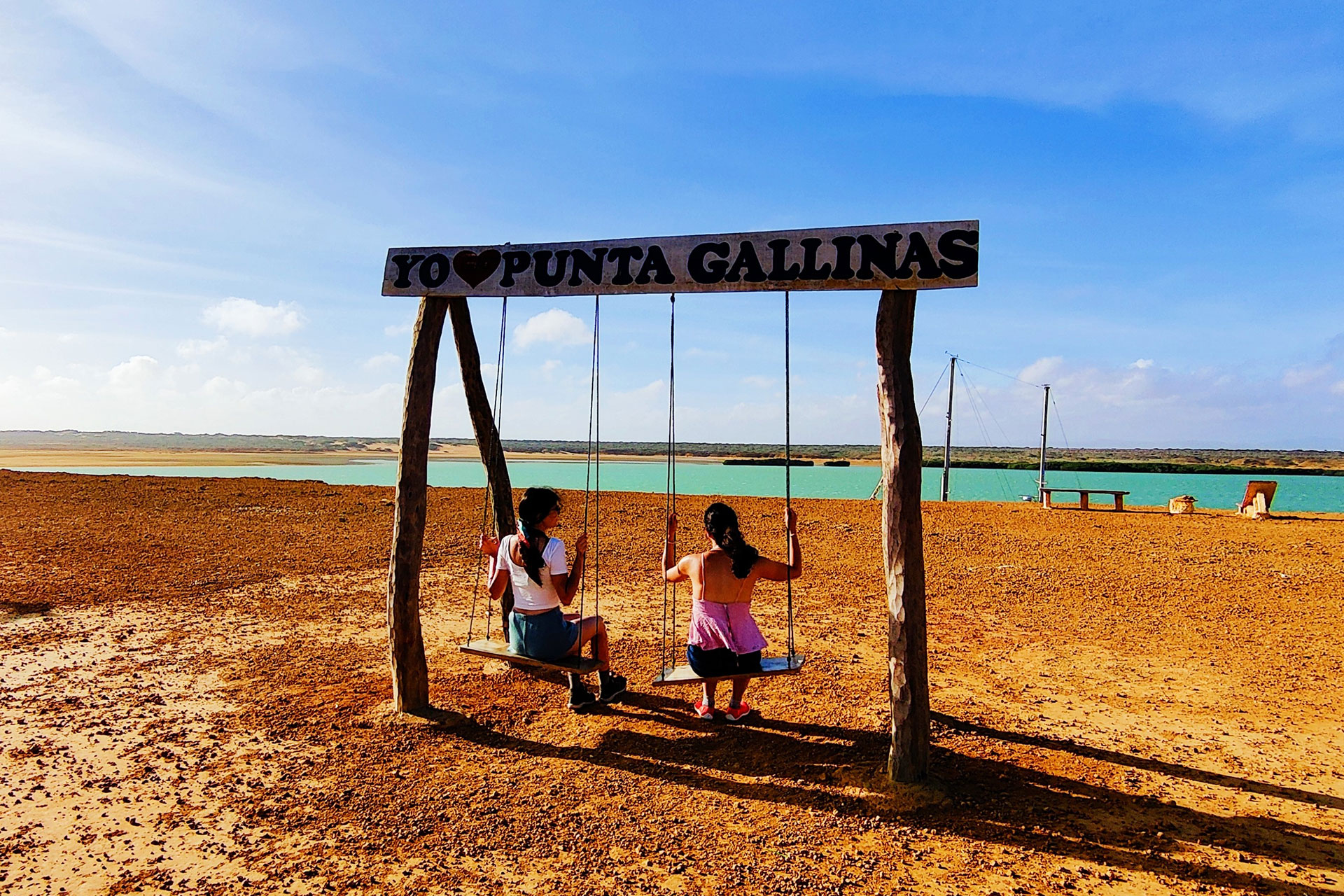
BEACHES CABO DE LA VELA AND PUNTA GALLINAS
At the north of La Guajira, Enjoy the quiet beaches of Cabo de la Vela, ideal for relaxing or kitesurfing, with views from Pilón de Azúcar and stops at Ojo de Agua and Playa Dorada. At Punta Gallinas, explore dunes, desert and sea.
La Caimanera Swamp - Coveñas, Sucre
PHOTOGRAPH: Marco Antonio Barbosa Garcés - Vice Ministry of Tourism of Colombia
Arhuaco
PHOTOGRAPH: Marco Antonio Barbosa Garcés - Vice Ministry of Tourism of Colombia
Guajira Flamingoes Wildlife Sanctuary
PHOTO: Lorena Velasco - Thanks to Parques Nacionales - ProColombia
Guajira Cabo de la Vela Pilón de Azúcar Sunset
PHOTO: Lorena Velasco - ProColombia
Guajira Punta Gallinas Beaches
PHOTO: Lorena Velasco - ProColombia
Serranía del Perijá - Sighting
PHOTO: ProColombia
Wayúu Contrast, Riohacha, La Guajira
PHOTOGRAPH: Marco Antonio Barbosa Garcés - Vice Ministry of Tourism of Colombia
Gastronomy - Colombian Caribbean
PHOTO: PROCOLOMBIA
The best adventure
 Spanish
  English