LCP Hero

Discover the magical path

Binational Colombia - Ecuador

A journey full of culture, nature and tradition

Walk the Binational Road PastureIbarra, which begins in Pasto, capital of Nariño, where the presence of the imposing Galeras volcano. Enjoy the local gastronomy, with dishes such as the baking pastuso, empanadas, empanadas de añejor and the nariñense tamale. Then, in Ipiales, marvel at the majestic Sanctuary of the Virgin of Las Lajas, one of the most impressive temples in America. Crossing into Ecuador, it passes through Tulcan e Ibarra, and enjoy the El Angel Ecological Reserve and the indigenous culture of Otavalo, known for its handicraft market. A trip full of culture, nature and tradition.

Temperature

Oscillates 10° C y 22 ° C

Weather

Cold tempered 

Altitude between 1.220 y 2.900 m.s.n.m. 

Dry season: December to March and July to August, high visitor season. 

Rainy season: April to June and October to November, low visitor season.

How to get there?

Find the best route to start your experience

By Air
Access the Binational Road through the airports of Pasto and Ipiales. Antonio Nariño Airport, located in Chachagüí near Pasto, receives regular domestic flights, including connections to Bogotá. There is also San Luis Airport, located in Ipiales, which operates flights to Bogotá with less frequency. Once you land, continue your trip by land touring the tourist attractions of the Colombia-Ecuador Binational Road.
Overland
This road has land connectivity through the Pan-American Highway, which runs through the departments of Nariño in Colombia to the province of Imbabura in Ecuador, connecting the main tourist destinations of the Colombia-Ecuador Binational Road.

Terrestrial Tour

For the tour you can choose to take a bus from the main terminals, rent a private vehicle or hire an organized tour. by travel agencies.  If you choose to travel by bus, remember to check schedules and routes to better plan your experience.

Terrestrial Tour

For the tour you can choose to take a bus from the main terminals, rent a private vehicle or hire an organized tour. by travel agencies.  If you choose to travel by bus, remember to check schedules and routes to better plan your experience.

Start touring Pasto and its surroundings
In Pasto the “Creative City of Crafts and Folk Art” knows:

    ● Ta Plaza de Nariño located ata in the city center. You can also visit the Cathedral of Pasture, declared a World Heritage Site. ICultural Interestto the national.  

    ● Museums full of cultural richness such as the Taminango Museum, the Negros y Blancos Carnival Museum, the Gold Museum, the Juan Lorenzo Lucero Museum and the Alfonso Zambrano Museum-workshop., where art and tradition become visible.  

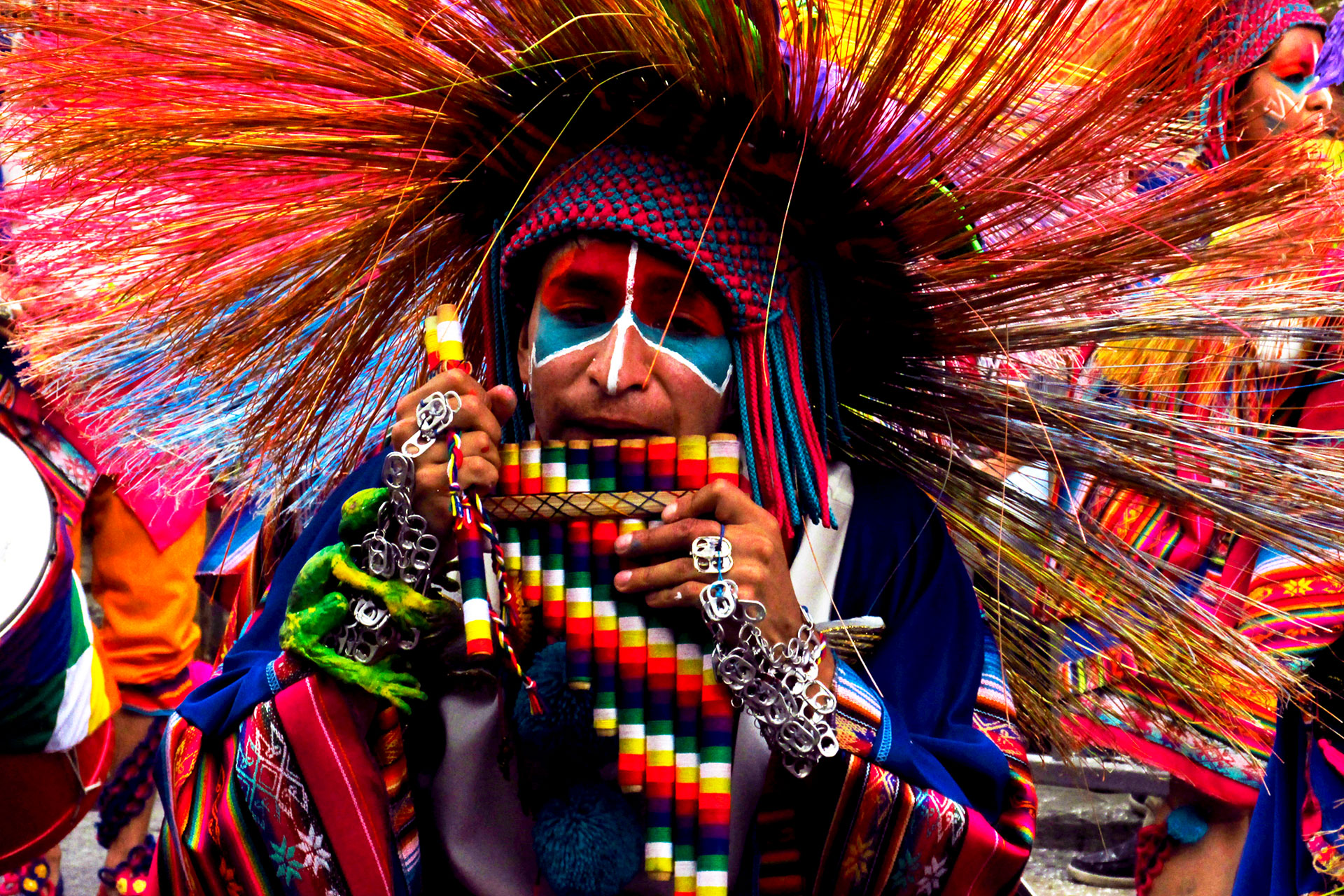
    ● Vive el Carnival of Blacks and Whites, one of the most enjoyable cultural experiences in Colombia.. Carnival is Heritage Intangible Cultural Heritage of Humanity by Unesco in 2009. Se celebrates the first days of January and invites you to enjoy parades of floats, music, dances and painting games in whites and blacks that celebrate indigenous, African and Spanish roots. 

    ● Galeras Volcano is admired from the city of Pasto y for adventurous spirits it is possible to go to visit the protected area Galeras Flora and Fauna Sanctuary, where you can go hiking and wildlife watching. The volcano's foothills are ideal for bird watching. 

    ● At la Laguna de La Cocha, a natural paradise close to Pasto, enjoy from boat rides in a place that invites tranquility. In the middle of the lagoon is the smallest natural protected area in the world. from Colombia, the La Corota Island Flora Sanctuary, where you can take a short trail that leads to a lookout point. 

    ● La Planada Natural Reserve, to a 3 hours of Pasto, offers trails such as El Tejón and La Vieja, ideal for bird and orchid watching. This reserve is administrada by the Resguardo Indígena Awá Pialapí Pueblo Viejo.  

    ● Try the gastronomy traditional of the region like the baking pastuso, slow baked pork with local spices. The empanadas de añejo, with fermented corn dough and filled with cheese or meat. The locro pastuso, a thick soup with potatoes, guasca herbs and cheese. And don't miss the tamales nariñenses, wrapped in bijao leaves and filled with flavorful pork.

    ● Admire the artesanías premises like the guanga fabrics that reflect ancestral knowledge in mantas. Discover mopa handicrafts mop or varnish of Pasto, Patrimonio Cultural Immaterial of Humanity by UNESCO (2020), a pre-Hispanic technique that embellishes wooden objects..


Fromsde the city Pasture head towards Ipiales. En a private vehicle you can take the Pan-American Highway or take the Pan-American Highway. a bus at Terminal de Transportes de Pasto S.A. The route offers wonderful landscapes mountainous with different shades of green.

In Ipiales let yourself be surprised by:

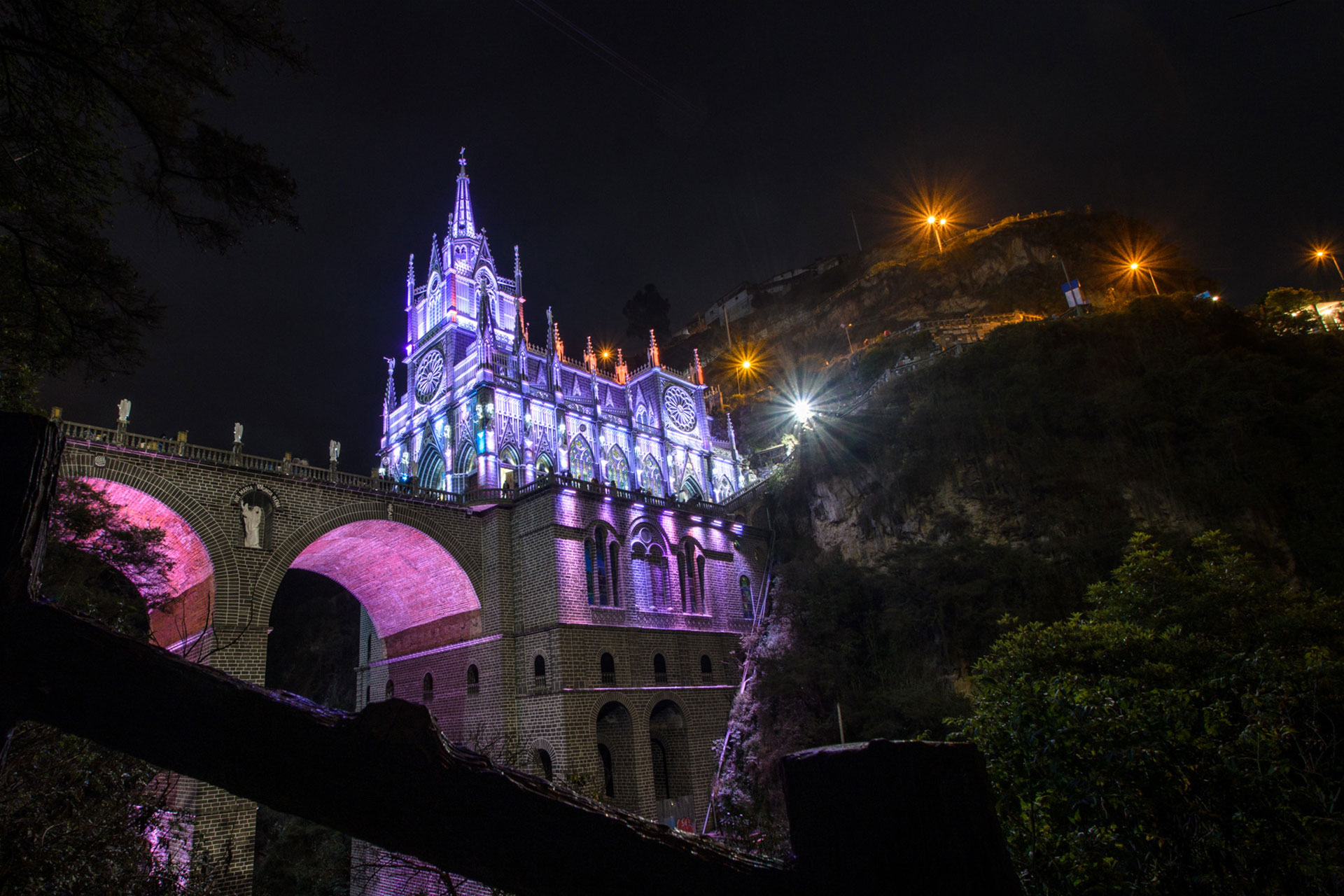
    ● The Sanctuary of Ourtra Madam of Las Lajas with its neo-Gothic architecture, built over a canyon, makes it a unique place in the world and one of the most visited in Colombia. The Fhe Patron Saint Festival of Our Lady of the Rosary of Las Lajas, which commemorates her apparition in 1754, is celebrated between August and September. 

    ● At Semana Santa (between March/April) to merge catholic tradition with indigenous expressions, finding different solemn processions.  

    ● Gastronomy authentic and full of flavors like the roasted guinea pig, prepared with ancestral techniques that highlight its unique flavor.

From Ipiales continues to Tulcán, Ecuador. En a private vehicle you can take the Pan-American Highway and cross the frontera. You can also take a cab to the border with Ecuador and from there take another to the city of Tulcán. The route offers wonderful mountain scenery and volcanoes.

At Tulcán enjoys: 

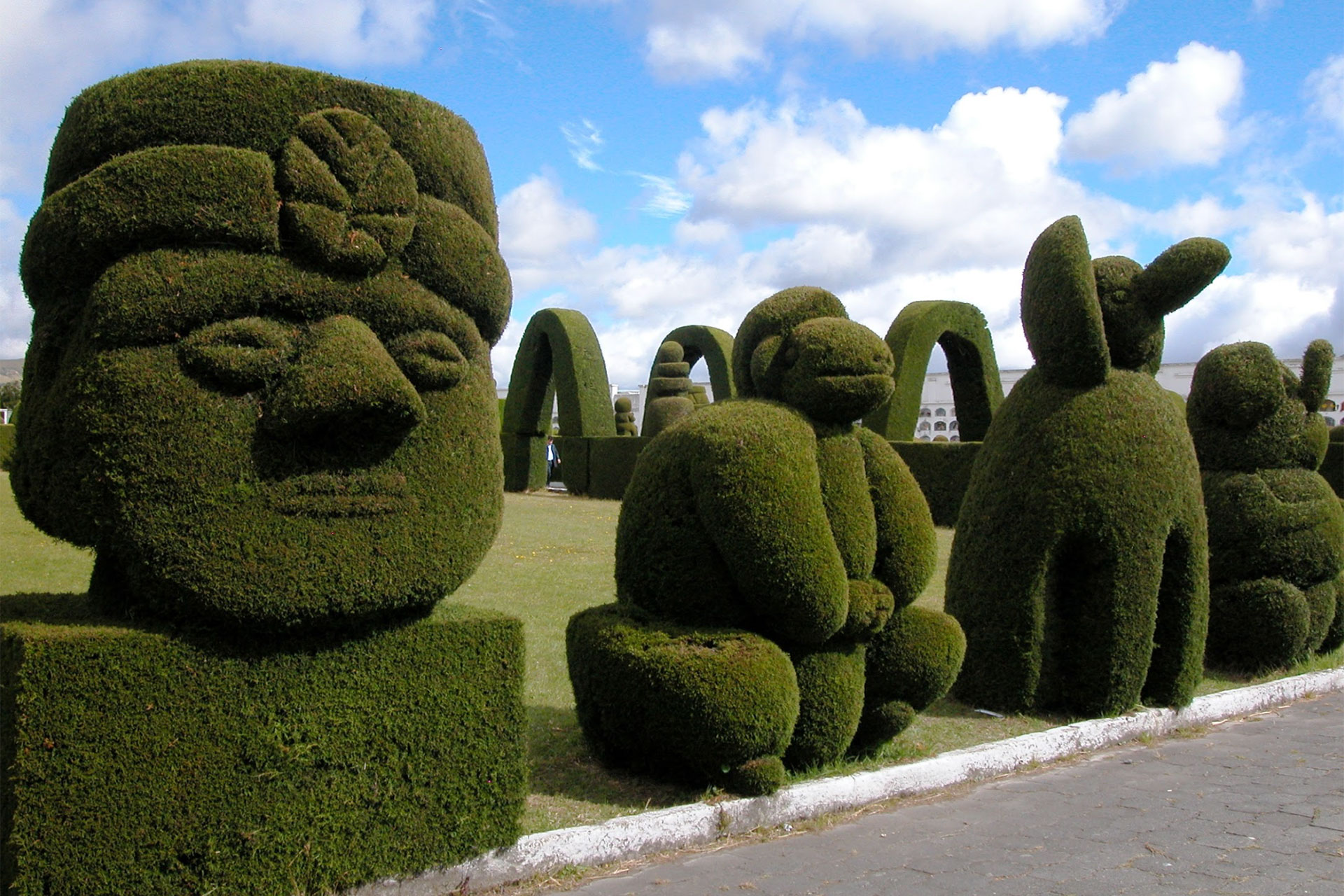
    ● Municipal Cemetery “José María Azael Franco Guerrero”.” dazzles with more than 300 sculptures carved in cypress.   

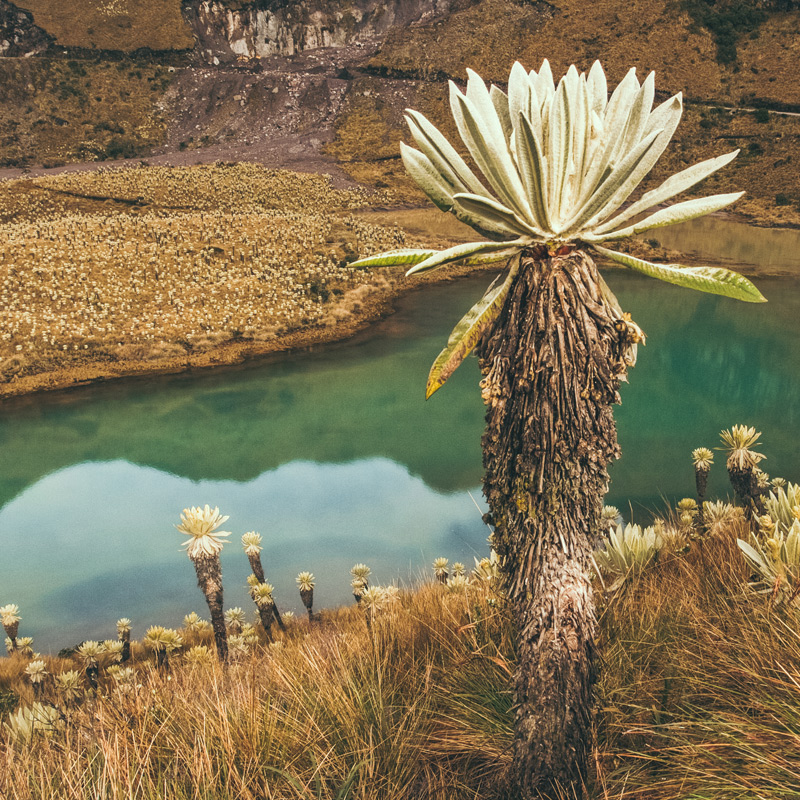
    ● El Ángel Ecological Reserve, near Tulcán, an impressive paramo where you can walk among giant frailejones, walk through forests of Polylepis and visit the wonderful El Voladero Lagoon.

    ● Bosque de Arrayanes, near Tulcán, a magical place for guided hikes, contemplation of ancient trees and connection with the nature of northern Ecuador.

    ● Chiles Volcano, for lovers of adventure and high altitude hiking between the Ecuadorian and Colombian border, there are also the Green Lagoons located in an ideal environment that allows wildlife observation and photography of Andean landscapes.

The route continues from Tulcán, capital of the province of Carchi, by private vehicle you can take the Panamerican Highway or take a bus from the Terminal Terrestrial of Tulcán up to Ibarra, capital of the province of Imbabura.

Ibarra enchants with: 

    ● The historic center captivates with the 19th century Cathedral, the Episcopal Chapel and the Government House, icons of its colonial legacy. 

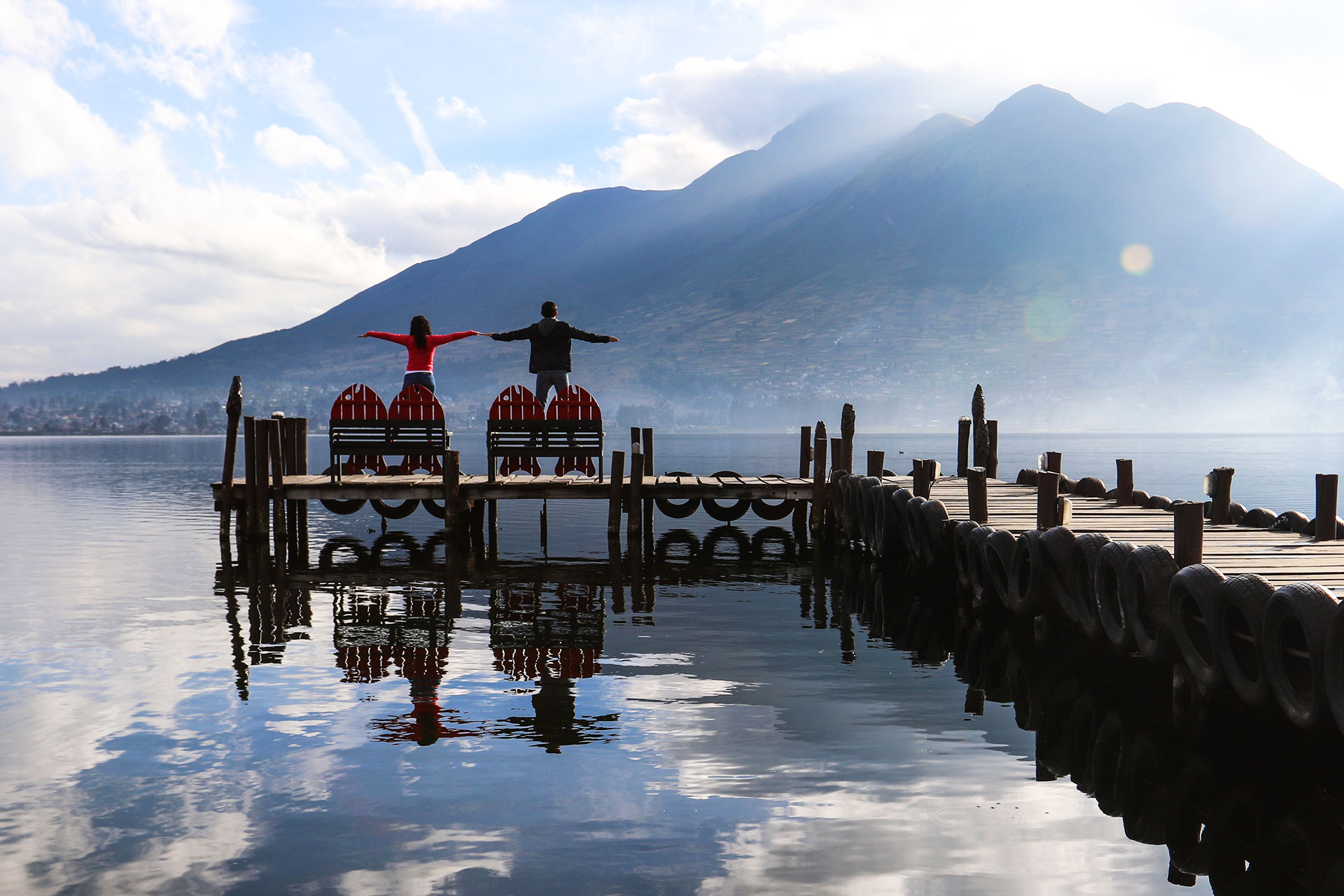
    ● Yahuarcocha Lagoon, very close to Ibarra, allows boat rides, recreational fishing, hiking in the surrounding area, picnics at the viewpoints..

    ● Surprising lagoons near Ibarra such as Cuicocha, Mojanda Lagoons and San Pablo Lake.

    ● Plaza de los Ponchos, in Otavalo near Ibarra, brings together more than 3,000 artisans kichwas offering textiles, jewelry and traditional art, with Saturday being the busiest day.

Tourists can continue their journey through Ecuador via the Caminos Andes del Norte.

Road Highlights

SANCTUARY OF LAS LAJAS

In Ipiales, its impressive neo-gothic architecture, located on a canyon, makes it a unique destination, attracting thousands for its beauty, spirituality and natural surroundings.

LAGUNA DE LA COCHA OR GUAMUEZ LAKE

A natural paradise where you can enjoy water sports, boat rides and ecological hikes in the La Corota Island Flora Sanctuary, the smallest reserve in the country.

CARNIVAL OF BLACKS AND WHITES

In Pasto, enjoy parades with giant floats, music, dances and painting games, celebrating the diversity and identity of southwestern Colombia, from January 2 to 6.

TULCÁN MUNICIPAL CEMETERY

Famous for its unique topiary art. With over 300 figures carved in cypress trees, this cultural site stands out for its beauty. y symbolism.


Good morning, Pasto, Nariño

PHOTOGRAPH: Kevin Alvarado Narváez - Vice Ministry of Tourism of Colombia


Sanctuary of Las Lajas, Ipiales, Nariño

PHOTOGRAPH: Juan Gabriel Ruiz Ricaurte - Vice Ministry of Tourism of Colombia


Sailboats La Cocha, Laguna de la Cocha, Nariño

PHOTO: Alfonso Jurado Rebolledo - Vice-Ministry of Tourism of Colombia


Long live Pasto, Pasto, Nariño

PHOTOGRAPH: Mauricio Dueñas Castañeda - Vice Ministry of Tourism of Colombia


First Latin American Encounter of Cultures, Pasto, Nariño

PHOTOGRAPH: Diego Erazo Santacruz - Vice Ministry of Tourism of Colombia


Plaza de los ponchos

PHOTOGRAPH: Alex Boas - Ministry of Tourism of Ecuador


Mop Mop - Grass Varnish

PHOTO: ProColombia
The best adventure

Discover more paths